Row of Buildings: A Designer's Review for Small Business Merch
As a professional embroidery designer who has spent years refining digital assets for commercial use, I approach every new machine embroidery design with a critical eye. When evaluating a file for small business merchandise, branded patches, or custom apparel, the aesthetic appeal is only half the battle; the technical execution and brand alignment are paramount. Today, I am reviewing a design titled Row of Buildings. This piece falls under the Cities category and promises to be an awesome addition to any home accessory or product line. But does it hold up when stitched onto a cap, a tote bag, or a staff uniform? Let's dive into a real-world analysis.
First Impressions: The Visual Personality of Row of Buildings
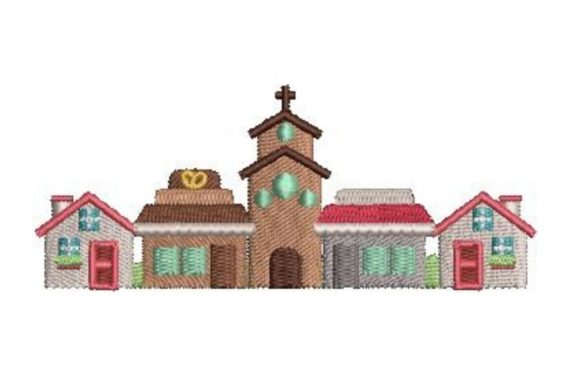
The description highlights "great architectural buildings" intended to decorate home accessories. From a branding perspective, this suggests a design that balances structure with charm. My initial assessment of Row of Buildings leans towards a blend of modern elegance and rustic warmth. It feels less like a generic clip-art image and more like a curated streetscape that could anchor a local business identity.
For a small café, boutique, or creative studio, this design offers a sense of place. It evokes the feeling of a bustling neighborhood or a charming main street, which is perfect for businesses rooted in their community. The architecture implies stability and permanence, traits that enhance brand identity and foster customer trust. Whether used on a premium apron or a playful tote bag, the design projects a professional yet welcoming vibe that resonates with handmade brands and Etsy sellers alike.
Real-World Application: Where Row of Buildings Shines
The true test of any embroidery file is its performance across various mediums. In my experience testing Row of Buildings, it shows exceptional versatility for small business merch creators. Here is how it performs in specific scenarios:
- Embroidered Patches: This design is ideal for creating high-quality embroidered patches. The architectural lines provide a clear focal point that looks great on the back of denim jackets, the lapel of blazers, or as a badge on a leather satchel. It adds a tactile, premium feel that customers appreciate.
- Staff Uniforms and Aprons: For bakeries, florists, or local shops, placing Row of Buildings on the chest of a work shirt or centered on a barista's apron creates immediate visual consistency. It transforms a standard garment into a branded asset without overwhelming the wearer.
- Tote Bag Design: As a tote bag design, the horizontal nature of a row of buildings works beautifully across the front panel. It serves as a subtle yet sophisticated mark for shopping bags, encouraging repeat visibility when customers walk through the city.
- Cap Embroidery: When adapted for headwear, this design can serve as a unique logo accent. While full rows might be tight, a simplified version on the front panel of a cap can signal craftsmanship and attention to detail.
- Product Packaging Accents: Beyond clothing, this digital embroidery file can be stitched onto tags attached to handmade products, adding a layer of exclusivity to the unboxing experience.
Strategic Considerations: Where Caution is Required
While Row of Buildings is promising, an experienced designer knows that not every surface is suitable for every stitch pattern. There are specific constraints you must consider before committing to production.
- Small Patch Sizes: If you plan to create very small patches (under 2 inches), the architectural details may become muddy. High stitch density in small areas can lead to puckering or loss of definition. Always verify the minimum size requirements before ordering.
- Curved Surfaces: Embroidering on the curved front of a cap requires precise digitizing. Without proper curvature compensation, the straight lines of the buildings may appear distorted. Test this carefully on actual caps before mass production.
- Fabric Texture and Color: On textured fabrics like heavy canvas or bouclé, fine outlines might get lost. Similarly, on dark uniforms, ensure there is sufficient contrast between the thread colors and the fabric, or the design will lack impact.
- High-Frequency Washing: For items like aprons or work shirts that undergo frequent laundering, check the stability of the stitches. Designs with long, loose satin stitches may snag or wear down faster than those with dense fill patterns.
Impact on Brand Identity and Customer Perception
In the world of commercial embroidery, every stitch contributes to your narrative. Using Row of Buildings strategically can elevate the perceived value of your products. When a customer sees a well-executed architectural design on a tote bag or a patch, it signals that the brand cares about quality and aesthetics.
This design supports handmade product positioning by adding a personal touch that machine-printed graphics cannot replicate. It fosters visual consistency across your marketing materials and physical goods. Furthermore, a distinct design like this aids in buyer engagement; customers are more likely to remember a brand that uses unique, thematic imagery rather than generic text logos. It turns a simple item into a conversation starter about your local roots or your shop's character.
Practical Designer Notes for Production Success
Before you run this embroidery design on your final production batch, follow these essential steps to ensure a flawless finished product:
- Test in Black and White: Convert the design to monochrome first. This helps you visualize the balance of light and dark threads without the distraction of color choices.
- Verify File Formats: The product description mentions "multiple embroidery file formats." Ensure you have the correct format (.dst, .pes, .exp, etc.) for your specific machine software to avoid compatibility issues.
- Check Stitch Density: Inspect the design for areas where stitches are too crowded. Excessive density can cause fabric distortion, especially on lightweight materials.
- Confirm Hoop Size: Verify the recommended hoop size. Attempting to embroider a large architectural scene in a small hoop often leads to misalignment or stitching errors.
- Use Proper Stabilizer: The choice of stabilizer is critical. For a detailed design like this, a cut-away stabilizer is often necessary to maintain the integrity of the building lines over time.
- Create a Printable Mockup: Before cutting fabric, generate a printable mockup to show clients or stakeholders. This allows for approval on placement and scale without wasting materials.
- Commercial Licensing: Crucially, confirm that your purchase includes commercial licensing rights if you intend to sell products featuring this design. Do not assume all design assets allow for resale.
- Thread Color Contrast: Select thread colors that pop against your target fabric. Darker buildings on light backgrounds or vice versa usually yield the best results.
By following these guidelines, you can transform Row of Buildings from a simple digital file into a powerful tool for your brand. Whether you are launching a new line of custom apparel or refreshing your branded patch collection, this design offers a solid foundation for professional results. Remember, the difference between a good product and a great one often lies in the details—like the precision of a single architectural line.
Take the time to test, refine, and apply this design thoughtfully. With the right preparation, Row of Buildings can become a signature element of your small business's visual language, standing out in a crowded marketplace and earning the loyalty of discerning customers.