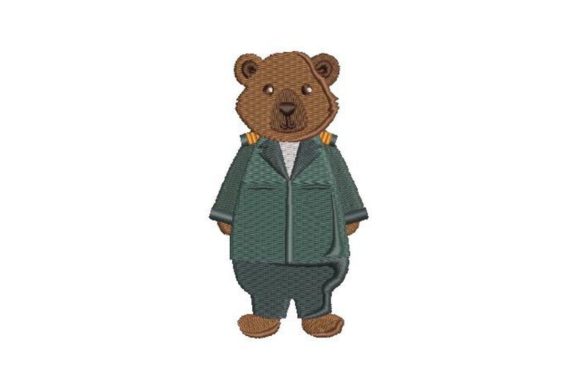
Bear EMT: A Designer's Review for Small Business Merch
As an experienced embroidery designer who has spent years refining digital files for commercial use, I approach every new design with a critical eye. The goal is never just to make something look cute; it is to create assets that elevate brand identity and withstand the rigors of daily wear. Today, I am reviewing the Bear EMT design. This machine embroidery design features an adorable teddy bear dressed as an emergency medical technician. While the description suggests it is a cute way to decorate medical uniforms, the potential for this embroidery file extends far beyond the hospital setting.
In my review, I will evaluate how Bear EMT performs as a branded patch, a chest logo accent, or a unique addition to small business merchandise. Whether you are running a boutique, a handmade shop, or a creative studio, understanding the nuances of stitch density and fabric texture is crucial before committing to production.
First Impressions: Personality and Brand Fit
The moment I analyzed the concept of Bear EMT, the visual personality was immediately apparent. It strikes a balance between playful and professional. In the world of branding, finding a tone that resonates with customers without appearing unprofessional can be difficult. This design feels friendly, approachable, and slightly rustic in its charm, making it ideal for businesses that want to convey warmth and care.
For a local bakery or a pet brand, this design could serve as a delightful product label or a customer gift. However, its specific theme as an emergency medical technician gives it a unique edge. It suggests reliability, safety, and service. When used correctly, Bear EMT does not just decorate a piece of cloth; it communicates a value proposition about your business. It transforms a standard item into a memorable branded asset that encourages buyer engagement.
Real-World Applications for Small Business Owners
Let us imagine a scenario where a small café or a florist wants to expand their revenue streams through custom apparel. They need items that tell a story. An embroidered patch featuring Bear EMT could be the perfect solution. Unlike generic logos, this design adds a narrative element to your merchandise.
- Staff Uniforms: For a boutique or a creative studio, placing this design on apron embroidery creates a cohesive team look. It softens the corporate feel of a uniform while maintaining a sense of unity.
- Caps and Tote Bags: Cap embroidery often requires designs that hold up well on curved surfaces. If executed correctly, Bear EMT works beautifully as a sleeve detail or a cap front design, offering a unique mark for event merch or craft business assets.
- Product Packaging: Consider using this design as a subtle accent on product packaging. A small embroidered patch on a gift box or a tag attached to a handmade product elevates the perceived value of the finished product.
- Etsy Branding: For Etsy sellers and digital embroidery file buyers, having a distinct character like Bear EMT helps differentiate your shop from competitors. It becomes a recognizable symbol that customers associate with your handmade products.
This versatility makes the design a valuable addition to any list of design assets. It allows you to create a consistent visual language across various touchpoints, from work shirts to printable mockups used for client approval.
Strategic Considerations and Potential Pitfalls
While the potential is high, a professional designer must also identify where a design should be used carefully. Not every surface is suitable for every embroidery file. The complexity of Bear EMT requires strategic placement to ensure the brand image remains intact.
Size Limitations: If you plan to use this as a small patch size or on tiny lettering areas, you must be cautious. Intricate details can get lost if the design is scaled down too much. Always test the design at the intended final size to ensure the outlines remain clear.
Fabric and Texture: Embroidery interacts differently with various materials. On textured fabric, the stitches may not lay flat, potentially distorting the character of the bear. Similarly, dark uniforms require careful consideration of thread colors. Without proper contrast, the design may disappear into the background, undermining the professionalism of the garment.
Curved Surfaces: When applying this to cap embroidery or rounded tote bags, the hoop size and stabilizer choice become critical. High stitch density on a curve can cause puckering, which ruins the visual consistency of the brand. If the design is too dense, it may also cause issues during frequent washing, leading to premature wear on the merchandise.
Impact on Brand Identity and Customer Trust
In the competitive landscape of small business merch, presentation is everything. A poorly executed embroidery job can signal a lack of attention to detail, whereas a high-quality finish builds customer trust. Bear EMT, when done right, enhances the perception of quality. It suggests that the business cares about the aesthetics of its products.
Furthermore, a unique character like this fosters recognition. Over time, customers begin to associate the friendly bear with the reliability of your services. This emotional connection drives repeat business and strengthens brand identity. However, this only works if the visual consistency is maintained across all products. Using Bear EMT on aprons, caps, and product labels ensures that the brand message is clear and unified.
Essential Designer Notes for Production
Before you rush into a commercial embroidery project, there are technical steps you must take to guarantee success. As a designer, I cannot stress enough the importance of testing. Here is my checklist for bringing Bear EMT to life:
- Test in Black and White: Convert the design to monochrome first. This helps you verify that the stitch direction and density create a clear silhouette even without color.
- Check Stitch Density: Review the stitch density in the digital embroidery file. If it is too high, the fabric may pucker. If it is too low, the design may look sparse. Adjustments may be necessary based on the fabric texture you are using.
- Verify Thread Colors: Ensure the thread colors offer sufficient contrast against your target fabric. For dark uniforms, you may need to add a underlay or change the thread palette to maintain visibility.
- Inspect Spacing and Hoop Size: Confirm that the design fits within your hoop size without cutting off essential elements. Check the spacing around the edges to prevent stitching errors.
- Use Proper Stabilizer: Select the correct stabilizer for your material. A heavy-duty stabilizer might be needed for thick fabrics like denim, while a tear-away might suffice for lightweight cotton.
- Create a Mockup: Before mass production, create a printable mockup or a single sample. Show this to clients for approval to avoid costly mistakes.
- Commercial Licensing: Finally, confirm the commercial licensing terms of the digital embroidery file. Ensure you have the rights to use Bear EMT on products you intend to sell.
If exact stitch counts, file formats, or specific license terms were not clearly provided in the initial product description, you must contact the creator or check the file metadata before production. Do not assume compatibility.
Conclusion
The Bear EMT design offers a charming and versatile option for small business owners looking to enhance their branded merchandise. From staff uniforms to tote bag designs, it provides a unique way to connect with customers. By following these practical tips and paying close attention to technical details, you can transform a simple embroidery file into a powerful tool for business growth. Remember, the difference between a decoration and a brand asset lies in the execution.