Go Fight: A Designer's Review for Small Business Merch
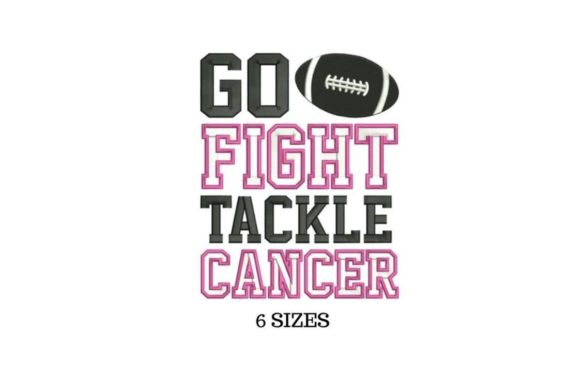
As an experienced embroidery designer who has spent years refining digitized files for everything from corporate uniforms to boutique product labels, I often look at a design and immediately visualize its potential in the real world. Today, I am reviewing a specific machine embroidery design titled Go Fight. The description paints a compelling picture: it is a football-themed piece that carries a hidden message of support for those fighting breast cancer. It is described as beautifully digitized, intended to be stitched onto cloth to inspire.
This review focuses on how this embroidery file performs when applied to small business merchandise, branded patches, and custom apparel. Whether you are an Etsy seller, a local café owner, or a creative studio manager, understanding the nuances of a design before production is crucial. Here is my professional assessment of using Go Fight for commercial projects.
First Impressions and Visual Personality
The title Go Fight immediately sets a tone that is both energetic and purposeful. When combined with the football theme and the hidden message regarding breast cancer awareness, the design feels bold yet deeply emotional. In the context of brand identity, this duality is powerful. It suggests a brand that is active and spirited but also rooted in empathy and community support.
From a visual standpoint, the "football" element implies movement and dynamic lines, while the "hidden message" adds a layer of intrigue. This makes the design feel less like a generic logo and more like a statement piece. For a handmade brand or a boutique shop, this personality can elevate the perceived value of your products. It transforms a simple embroidered patch into a conversation starter. The design appears to balance the ruggedness of sports imagery with the elegance of a cause-driven message, making it versatile for various aesthetics ranging from rustic and playful to modern and premium.
Real-World Application for Small Businesses
The true test of any digital embroidery file is how it translates to physical goods. Based on the description, Go Fight offers excellent versatility for small business owners looking to expand their inventory.
- Branded Patches: This design is ideal for creating sew-on or iron-on patches. Imagine a local bakery or pet brand adding these patches to tote bags or aprons. The football motif allows for a fun, unexpected twist on standard branding, while the cause-driven message resonates with customers who value social responsibility.
- Staff Uniforms and Aprons: For cafes, florists, or craft studios, Go Fight could serve as a chest logo accent or a sleeve detail. Staff members wearing shirts with this design would not only represent their company but also signal their support for a meaningful cause. This can foster a sense of pride and unity within the team.
- Cap Embroidery: The dynamic nature of the football theme works well on cap fronts. It creates a sporty, approachable look that fits perfectly with casual wear brands or event merchandise.
- Tote Bag Design: A large-scale application on canvas tote bags would make for a high-quality customer gift or a promotional item. The sturdy fabric of a tote bag provides an excellent base for the stitch density required by a football-themed design.
- Product Packaging Accents: For handmade product sellers, adding a small version of Go Fight to packaging tags or boxes adds a touch of professionalism and care. It shows that the brand pays attention to detail.
In scenarios involving event merch or craft business assets, this design stands out because it tells a story. Customers are more likely to engage with a brand that supports breast cancer awareness, turning a simple purchase into a supportive action.
Strategic Considerations and Limitations
While the concept is strong, an experienced designer must evaluate where the design might face challenges. Not every surface or size is suitable for every embroidery design.
Small Patch Sizes: If you plan to create miniature patches, you must be cautious. Football themes often involve detailed elements like laces, stitching patterns, or text. If the design is reduced too much, these details may blur together, losing the "hidden message" impact. Always test the design at the intended final size before mass production.
Curved Surfaces: While caps are a great option, curved surfaces require precise digitizing to ensure the design lays flat without puckering. The tension of the stitches needs to be balanced correctly to avoid distorting the letters or the football graphic.
Fabric Texture and Color: The design should be used carefully on highly textured fabrics, such as heavy tweed or loose-weave linen, unless specifically stabilized. Additionally, if you are embroidering on dark uniforms, you will need to consider thread color contrast. A light-colored hidden message might get lost against a dark background, defeating the purpose of the surprise element.
High Stitch Density: Designs with dense fills can become stiff and difficult to handle on thin materials. Ensure that the stabilizer chosen matches the weight of the fabric to prevent distortion during washing.
Impact on Brand Identity and Customer Trust
Using Go Fight strategically can significantly enhance brand identity. In a crowded market, authenticity drives customer trust. By choosing a design that supports breast cancer awareness, a small business signals that it cares about more than just profit. This builds emotional connections with buyers.
When customers see a consistent visual language across their small business merch—from aprons to caps—they develop recognition. The professional finish of a well-digitized file ensures that the brand looks polished and trustworthy. A sloppy execution can undermine the message, so the quality of the finished product is paramount.
Furthermore, this design can boost buyer engagement. People love sharing stories behind their purchases. An embroidered patch with a hidden meaning encourages customers to share photos on social media, providing free marketing for your brand. It turns your custom apparel into a tool for advocacy.
Practical Designer Notes for Production
Before you commit to running a batch of Go Fight designs, follow these essential steps to ensure success:
- Test in Black and White: Create a monochrome mockup first. This helps you verify the composition and spacing without the distraction of color choices.
- Check Small Size Legibility: Run a test on a small patch size. Ensure that any text or fine details remain crisp and do not merge together.
- Review Thread Colors: Select thread colors that offer high contrast against your target fabric. For a hidden message, choose a color that contrasts subtly or boldly depending on the reveal effect you want.
- Inspect Spacing and Hoop Size: Confirm that the hoop size accommodates the design without cutting off edges. Ensure there is enough margin around the design for trimming.
- Test on Real Fabric: Do not rely solely on digital previews. Stitch the design on the actual fabric type you intend to use. Different textures react differently to needle penetration and thread tension.
- Use Proper Stabilizer: Match the stabilizer to the fabric weight. A heavy-duty stabilizer may be needed for thick denim, while a tear-away might suffice for lightweight cotton.
- Create a Printable Mockup: Before sending files to production, generate a printable mockup for client approval. This visual representation helps stakeholders understand how the final product will look.
- Compare Design Assets: Place Go Fight beside your other brand logos to ensure visual consistency. Does it fit the overall aesthetic of your brand?
- Confirm Commercial Licensing: Most importantly, verify the commercial licensing terms. Ensure you have the legal right to use this embroidery design on products you intend to sell.
The Go Fight design holds immense potential for businesses looking to combine style with substance. By paying attention to the technical details and strategic placement, you can create a line of handmade products that not only looks professional but also inspires your community. Whether it ends up on a barista's apron or a customer's tote bag, this design has the power to make a lasting impression.