Green Leaves Embroidery Review: Real Project Testing
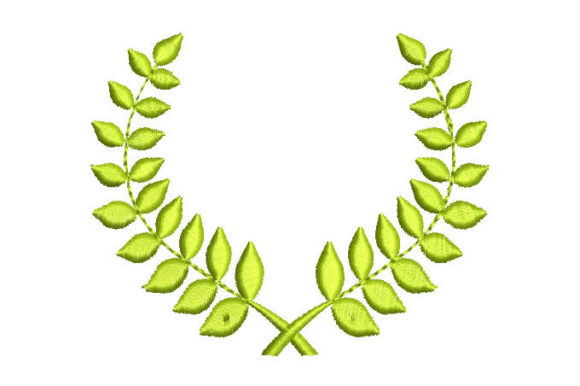
As a designer who spends more time in the hoop than at a desk, I am always skeptical when browsing new machine embroidery design files. Too often, what looks stunning on a screen falls apart under the needle or clashes with the fabric texture. That is why I put the Green Leaves floral wreath through a rigorous real-world test before recommending it for any client project or Etsy listing.
The first impression of Green Leaves is one of understated elegance. It does not scream for attention; instead, it whispers sophistication. The layout is designed to frame text, dates, or names, which immediately signals its primary utility. In my experience, this framing capability is the most valuable asset for small business owners and crafters looking to create personalized gifts without spending hours digitizing their own borders. The visual personality feels fresh yet timeless, making it suitable for everything from modern nursery decor to classic holiday gifts.
A Real-World Scenario: The Custom Tote Bag Challenge
To truly understand how this design performs, I decided to use Green Leaves for a practical scenario: creating a custom embroidered tote bag for a boutique client. The goal was to stitch the name of a local florist inside the wreath, surrounded by the foliage. This is a common request for Etsy sellers and small shop products that need to look professional but retain a handmade charm.
When I loaded the fabric into the hoop, the shape of the wreath felt balanced. Unlike some dense floral designs that can warp thin canvas, this design allowed the fabric to breathe. The curve of the leaves naturally guided the eye toward the center, where the lettering would sit. After stitching, the result was crisp. The contrast between the green threads and the natural beige canvas created a sophisticated palette that elevated the perceived value of the finished product. Customers rarely notice the stitch count, but they definitely notice if the design looks clean and intentional. Green Leaves delivered exactly that.
Performance Across Different Fabrics and Projects
The versatility of an embroidery file is measured by how well it adapts to different materials. I tested Green Leaves on several surfaces beyond the initial tote bag. On a cotton sweatshirt, the design held up beautifully, adding a stylish touch to the chest area without feeling bulky. For baby embroidery, such as onesies or bibs, the soft curves of the leaves are gentle on the skin and visually appealing to parents looking for personalized gifts.
I also considered its potential for kitchen towels and aprons. The framing nature of the design works exceptionally well here, allowing you to embroider phrases like "Kitchen Rules" or family names within the border. For holiday embroidery, the green tones fit perfectly into winter or spring themes, serving as a base for festive accents. Whether you are creating commercial embroidery for a brand or a unique item for a craft fair, the design provides a consistent aesthetic that reinforces brand identity.
However, not every application is perfect. When testing on a structured cap or hat, the curvature of the brim presented a challenge. While the design itself is sound, the distortion caused by the curved surface required careful repositioning. Similarly, on very thin fabrics, the density of the fill stitches could cause puckering if the wrong stabilizer was used. This highlights the importance of understanding your materials before committing to a large production run.
Where to Exercise Caution
While Green Leaves is a strong contender, there are specific scenarios where you should proceed with caution. Small hoop sizes can sometimes struggle with the outer edges of a wreath, potentially cutting off the delicate tips of the leaves. If you are working with textured fabrics like heavy denim or bouclé, the definition of the smaller details might get lost in the weave of the material.
Dark fabrics present another consideration. Unless you plan to use a high-density underlay or a light-colored thread for the leaves, the design might lack the pop needed to stand out. Additionally, for items that require frequent washing, such as work aprons or children's clothing, ensure that the stitch density is appropriate to prevent the design from unraveling over time. Always inspect the small details and check whether the design works for both personal and commercial projects before finalizing your order.
Visual Appeal and Customer Trust
In the world of handmade goods, visual clarity translates directly to customer trust. A sloppy stitch job or a design that distorts on the fabric can make even the best idea look amateurish. Green Leaves contributes significantly to a polished presentation. Because the design frames text so effectively, it draws the viewer's eye to the customization, which is the selling point of the product.
This design enhances the overall value of the finished product. A simple tote bag becomes a premium gift when adorned with a well-executed floral wreath. For digital product sellers, using mockups that feature Green Leaves can help attract buyers by showing them exactly how the design will look in a real setting. The professional finish supports brand consistency, ensuring that every item leaving your studio meets a high standard of quality.
Practical Designer Notes for Success
Before you start stitching, there are a few technical steps every designer should take to ensure success. First and foremost, test the design on scrap fabric. This allows you to see how the stitch density interacts with your specific material and adjust your tension if necessary. Check the thread color contrast early on; the right shade of green can make the difference between a muddy look and a vibrant one.
Review the stitch types included in the file. Understanding whether the design uses satin stitch for outlines or fill stitch for the leaves helps you anticipate the feel of the final piece. Confirm the recommended hoop size to avoid cropping issues, and always use a proper stabilizer suited to the weight of your fabric. If you are unsure about the stability of the design, test it in black and white mockups to check the balance of negative space.
Finally, compare the design on light and dark backgrounds to ensure versatility. Make sure to check the licensing terms thoroughly. Many digital embroidery files have restrictions on how many finished items you can sell. Confirm whether the license covers commercial use for craft business items or if it is limited to personal projects. Ignoring these details can lead to legal issues down the line.
Ultimately, Green Leaves is a reliable addition to any designer's library. It strikes a balance between decorative flair and functional framing, making it ideal for custom apparel, embroidered patches, and home decor. By following the practical steps outlined above, you can leverage this design to create high-quality, marketable products that customers will love. Whether you are a hobbyist or a seasoned entrepreneur, this embroidery project offers a solid foundation for creative expression.