Church Embroidery Review: A Designer's Real-World Take
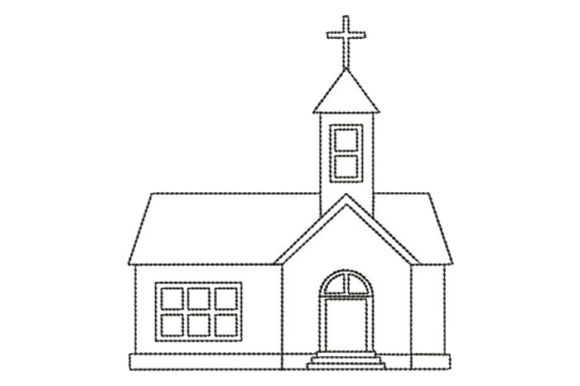
When I first opened the file for Church, my initial reaction was one of calm. In a market flooded with intricate, overly detailed religious icons that often get lost in small hoop sizes, this design stands out for its restraint. It is simple and beautifully designed, which is exactly what makes it so versatile for real-world projects. As someone who reviews embroidery files daily for both personal crafting and client work, I look for designs that translate well from screen to fabric without losing their soul. This machine embroidery design delivers on that promise.
The visual personality of Church is serene and welcoming. It doesn't scream for attention; instead, it invites the viewer into a space of reflection. The layout feels balanced, avoiding the cluttered look that can sometimes plague religious-themed embroidery. For an embroiderer, this simplicity is a double-edged sword that usually ends up being a blessing. It means fewer threads to change, less risk of puckering, and a cleaner final product that looks professional even when stitched on home machines. It is the kind of design that says "quality" before you even read the tag.
From Digital File to Finished Product
Let's talk about how this actually performs in a production environment. Imagine you are preparing a custom embroidered tote bag for a local church group or a boutique gift shop. You need something that looks cohesive but isn't overwhelming. Church fits perfectly here. The clean lines of the structure ensure that the image remains crisp even on canvas or heavy cotton blends used for totes. Unlike more complex designs that might require a 6x10 hoop, this piece likely works well in standard 4x4 or 5x7 hoops, making it accessible for smaller setups.
I also see this design thriving on apparel. Picture a crewneck sweatshirt for a youth group event or a soft baby onesie for a christening gift. The simplicity of Church allows it to sit comfortably on the chest or back without distorting the fabric. When stitching on stretchy materials like jersey, maintaining stitch density is crucial. Because this design appears to rely on clear shapes rather than tiny, dense fill stitches, it should hold its shape better during wear and washing. For a handmade product seller, this durability is key to maintaining customer trust.
If you are an Etsy seller looking to expand your catalog, Church offers a great opportunity for personalized gifts. Imagine adding a name above the steeple or below the base using a complementary running stitch font. The negative space around the main motif provides plenty of room for customization without creating a crowded look. Whether you are making holiday gifts for family members or creating a line of kitchen towels for a craft fair, the design adds a touch of warmth that resonates with buyers looking for meaningful decor.
Where to Use Church (And Where to Pause)
While this design is robust, no single file is perfect for every situation. As a designer, I always advise testing before selling. There are specific scenarios where Church might need extra care. If you are working with textured fabrics like bouclé or thick wool, the definition of the design could be slightly muted. The contrast between the thread colors and the fabric texture becomes the deciding factor here. On dark fabrics, you will need to ensure your underlay is sufficient to prevent the background from showing through the lighter threads.
Be cautious with very small hoop sizes. While the design is simple, if you attempt to downsize it too much for a cap or a small patch, you might lose the architectural details that give the design its character. Curved surfaces, such as baseball caps, can also present challenges. The straight lines of the building might appear distorted if the curvature of the hat isn't accounted for in the digitizing process. Always check the stitch direction relative to the curve of the garment.
Dense stitch areas are another point of consideration. If the original file uses a high stitch count for the roof or windows, you might encounter issues with thin fabrics like silk or lightweight linen. The weight of the thread could pull the fabric, causing it to pucker. For these delicate materials, using a proper stabilizer is non-negotiable. A tear-away or cut-away stabilizer will provide the necessary support to keep the Church design flat and true to form.
Visual Appeal and Brand Consistency
In the world of commercial embroidery, the finished product speaks louder than the marketing copy. A well-executed Church design elevates the perceived value of the item. When a customer receives a pillow cover or an apron with this motif, they immediately recognize the intent behind the craftsmanship. It signals that the maker cares about aesthetics and quality. This is vital for brand consistency. If you run a small business focused on faith-based products, having a library of reliable designs like this ensures that every item leaving your shop maintains a high standard.
The design also has strong potential for digital assets. Before you list a physical product, you can use Church in printable mockups to show customers how it would look on various items. This helps manage expectations and reduces return rates. Buyers can visualize the satin stitch sheen against a linen background or the softness of the fill stitch on a fleece hoodie. These digital previews are essential tools for modern craft businesses, allowing you to sell the vision before the needle even touches the fabric.
Practical Notes for the Designer
Before you start stitching, there are a few technical steps I recommend taking to ensure success. First, test the design on scrap fabric. This is the golden rule of embroidery. It allows you to gauge the thread color contrast and check the stitch density without risking your final project. Pay close attention to how the design handles transitions between different stitch types. Does the satin stitch flow smoothly, or does it bunch up? Are the running stitches long enough to look natural?
Review the file carefully to confirm the hoop size requirements. If the instructions aren't clear, err on the side of caution and use a larger hoop to avoid cropping important details. Inspect small details closely; sometimes, fine lines can disappear if the thread tension is off. It is also wise to test the design in black and white mockups to see if the composition holds up without the distraction of color. Compare light and dark fabric backgrounds to ensure the thread colors pop appropriately.
Finally, verify the licensing terms. Many designers create amazing work but restrict commercial use. If you plan to sell finished items made with this embroidery file, you must confirm that you have the right to do so. Check whether the license covers digital product previews or if it is limited to personal use. Understanding these boundaries protects your business and respects the creator's rights.
Ultimately, Church is a thoughtful addition to any embroidery collection. It balances aesthetic appeal with practical usability, making it suitable for everything from a quick hobbyist project to a serious commercial venture. By paying attention to fabric choice, stabilization, and testing, you can bring this beautiful design to life in a way that honors both the artistry and the function of machine embroidery.