Garden Gnome: A Designer's Real-World Review
When I first opened the file for Garden Gnome, I wasn't just looking at a cute image; I was evaluating a potential asset for my next client project. As someone who has spent years stitching out designs for small businesses and personal gifts, I know that "cute" doesn't always mean "stitchable." The market is flooded with digital embroidery files that look great on a screen but fall apart under the needle. This Floral-themed Embroidery piece caught my eye because it promised to be perfect for gardening clothes and nature-themed outfits, but does it hold up in the real world? After running some test stitches and considering how this would look on various products, here is my honest breakdown of what this design brings to the table.
The First Impression: Mood and Visual Personality
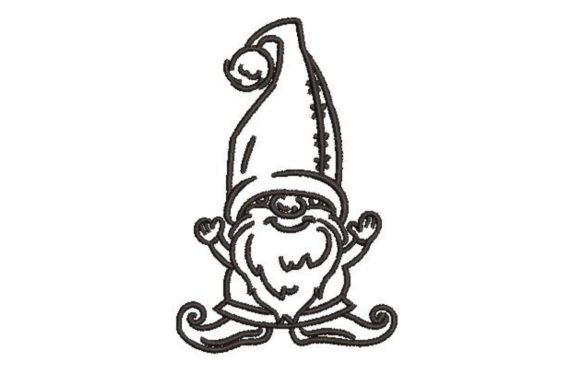
The immediate feeling you get from Garden Gnome is one of whimsical charm without being overwhelming. In the world of handmade products, mood is everything. This design strikes a balance between playful and professional, which is a rare combination. It isn't cluttered with excessive details that might blur together during stitching, nor is it so simple that it lacks character. The layout feels natural, suggesting a figure that belongs in a garden rather than a sterile studio setting.
For an embroiderer, the visual personality of a design dictates its versatility. Garden Gnome exudes a friendly, approachable vibe that works exceptionally well for personalized gifts. It feels like a design that invites the viewer to smile, making it an excellent choice for items meant to be cherished or worn with pride. The shape is distinct enough to stand alone as a focal point on a tote bag or a sweatshirt, yet subtle enough to serve as a decorative accent on a baby onesie or a kitchen towel. It creates a sense of warmth that translates well into physical form.
Real-Life Application: From Screen to Stitch
I recently had a scenario where a local boutique owner asked if I could create a custom line of aprons for their upcoming spring sale. They wanted something that felt "earthy" and fun. Garden Gnome immediately came to mind. Imagine the finished product: a sturdy canvas apron embroidered with this sweet design right over the chest pocket. The contrast of the thread colors against the fabric texture would pop, creating a high-quality handmade product that customers would want to buy.
This machine embroidery design also shines when applied to custom apparel. Think about a heavy cotton sweatshirt for a gardening club or a cozy fleece jacket for a winter craft fair. The design's structure allows it to sit comfortably on curved surfaces like the chest of a hoodie or the front panel of a cap. For Etsy sellers and small shop owners, this is gold. It offers a unique embroidered patch aesthetic that can be used on hats, bags, or even as a standalone decoration on a pillow cover. The versatility extends to holiday gifts as well; imagine gifting a set of matching tea towels featuring this design to a hostess—it adds a touch of thoughtfulness that generic store-bought items lack.
However, not every application is created equal. When considering this for commercial embroidery projects, you must think about the end-user experience. If a customer buys a t-shirt with this design, they will likely wash it frequently. The durability of the stitch density is crucial here. While the design looks sweet, it requires proper stabilization to ensure it doesn't pucker over time. For a tote bag design, the sturdier fabric usually handles the density well, but for delicate fabrics, you need to be careful.
Where to Use (and Where to Hesitate)
While Garden Gnome is a strong contender for many projects, there are specific scenarios where caution is advised. Small hoop sizes can be tricky. If the design includes fine lines or intricate corners, shrinking it down too much for a tiny cap or a narrow cuff might result in lost detail. The satin stitches that define the hat or beard of the gnome could merge together if the hoop size is too restrictive.
Textured fabrics present another challenge. If you are working with a thick, looped terry cloth or a heavily distressed denim, the stability of the embroidery file might be compromised. The design relies on smooth transitions to maintain its character, and rough textures can obscure the finer points. Similarly, thin or stretchy fabrics require a robust stabilizer system. Without the right support, the tension of the satin stitch could cause the fabric to ripple, ruining the clean look of the finished product.
Dense stitch areas are another consideration. If the design features large blocks of fill stitch, it can become stiff. On a garment like a baby outfit, stiffness might be uncomfortable against sensitive skin. In these cases, reviewing the stitch density before committing to a bulk order is essential. Also, dark fabrics require a different approach to thread color selection. You need to ensure that the background threads provide enough coverage so the design doesn't look washed out or see-through.
Impact on Value and Brand Perception
In the competitive landscape of Etsy seller listings and craft business markets, the quality of your embroidery speaks volumes about your brand. A well-executed digital embroidery file like Garden Gnome elevates the perceived value of your item. Customers are willing to pay a premium for items that show attention to detail and craftsmanship. When a buyer sees a crisp, clear design on a personalized gift, it builds trust and encourages repeat business.
The design also enhances the presentation of your work. Whether you are creating a printable mockup for your online store or showing a sample at a craft fair, the clarity of the design matters. A design that stitches out cleanly reflects professionalism. It signals to the buyer that you care about the final outcome, not just the process. This attention to detail fosters a stronger connection between the maker and the consumer, turning a simple transaction into a meaningful exchange.
Practical Designer Notes for Success
Before you start charging your machine, there are several steps every designer should take to ensure success. First and foremost, always test the design on scrap fabric. This is non-negotiable. You need to verify how the thread colors interact with your chosen material and check if the stitch density causes any issues. Run a test in black and white mockups to see if the contrast holds up without the distraction of color.
Confirm your hoop size requirements and ensure you have the correct stabilizer for the fabric type. If you are planning to sell finished items, double-check the licensing terms associated with the embroidery project. Some designs are for personal use only, while others allow for commercial sales. Understanding these terms protects your small shop product business from legal complications.
Finally, inspect the small details closely. Are the corners sharp? Do the running stitch elements connect smoothly? If the design looks muddy in your test run, it will look muddy on the final product. By taking the time to review these elements, you ensure that Garden Gnome delivers the high-quality finish your customers expect. With the right preparation, this design can be a standout addition to your collection of design assets, bringing joy to gardens and homes alike.