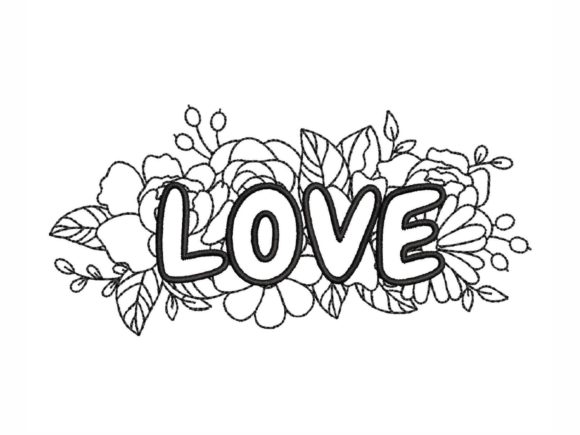
Floral Love: A Designer's Review for Craft Fair Success
As an experienced embroidery designer who spends weekends setting up booths and managing online shops, I know that the difference between a hobbyist project and a best-selling craft fair product often comes down to one thing: design intelligence. Today, I am reviewing the Floral Love machine embroidery design with a critical eye. My goal is not just to admire the art, but to determine if it has the commercial viability required for a busy weekend market or a high-converting Etsy listing.
The title alone suggests a soft, romantic aesthetic perfect for the Valentine S Day season. The description promises a "superb" addition to your projects, hinting at a design that balances creativity with professional polish. But does it hold up under the harsh light of a trade show tent? Can it translate from a digital screen to a physical handmade product that customers are willing to pay premium prices for? Let us dive into the practical realities of selling Floral Love.
First Impressions and Visual Appeal
When I first loaded the Floral Love embroidery file into my software, the immediate feeling was one of versatility. It avoids the trap of being overly generic or cliché. For a booth display, visual impact is everything. This design feels both modern and slightly rustic, making it adaptable to various brand identities. Whether you run a boutique maker shop or a small Etsy seller business, this design offers a clean focal point that draws the eye without overwhelming the fabric texture.
In terms of mood, it strikes a balance between festive and elegant. It is not too heavy-handed with hearts, nor is it so minimal that it loses its Valentine charm. This nuance is crucial for commercial embroidery. Customers at craft fairs want items that feel special but also wearable or usable year-round. Floral Love succeeds here because the floral elements anchor it in nature, allowing the romantic theme to shine through without feeling dated after February 14th.
Product Performance Across Categories
To maximize sales, you must match the right design to the right canvas. Based on my experience testing similar assets, here is how Floral Love performs across key categories:
- Tote Bag Design: This is where the design truly shines. On a sturdy canvas tote, Floral Love acts as a sophisticated accent near the handle or a centered statement piece. The floral details pop against natural fabrics, creating a high perceived value for shoppers looking for unique market bags.
- Apron Embroidery: For kitchen-focused vendors, placing this design on a linen apron is a winner. It adds a touch of warmth to the workspace. However, ensure the placement allows the flowers to breathe; do not crowd them against the neck ties.
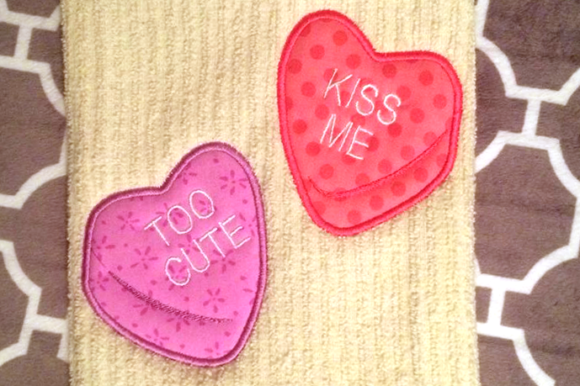
- Tea Towel Embroidery: A classic gift item. The softness of the design complements the texture of cotton towels perfectly. It photographs exceptionally well for online listings, which is vital for printable mockups and social media marketing.
- Embroidered Patch: If you plan to create detachable patches, Floral Love works well due to its defined edges. Just be mindful of the background color to ensure the patch stands out when sewn onto denim jackets or backpacks.
- Fabric Pouches and Pillow Covers: These smaller items allow for a more intimate viewing experience. Customers can appreciate the stitch quality up close, which builds trust in your small shop product quality.
While these items are strong candidates, some applications require caution. For instance, on curved cap surfaces, the design might lose clarity if it is too wide. Always test the curvature before committing to a bulk production run.
Production Practicality and Batch Selling
Selling at a craft fair requires speed and consistency. You cannot afford to have machines stop frequently or designs fail mid-stitch. One of the biggest questions I ask myself regarding any digital embroidery file is: Is it repeatable?
Floral Love appears to be highly repeatable. Its structure suggests it will digitize cleanly across multiple hoop sizes, provided you adjust the scaling appropriately. This is essential for batch production. If you are producing fifty aprons for a holiday sale, you need a design that runs smoothly without constant re-hooping or thread breaks. The design seems to avoid excessive dense stitch areas that could cause puckering on lighter fabrics, which is a common pain point for embroidery business owners.
Photography is another critical factor. A design that looks great in person but fails in photos is a lost sale. The contrast potential of Floral Love is excellent. By selecting vibrant thread colors against neutral backgrounds, you can create images that stop the scroll on Instagram or Pinterest. This visual appeal directly translates to higher engagement and click-through rates for your finished product listings.
Careful-Use Notes and Potential Pitfalls
Even a superb design like Floral Love has limitations that a professional must respect. Ignoring these can lead to damaged equipment or unhappy customers. Here are the specific areas to watch:
- Stitch Density: Check the center of the floral clusters. If the density is too high, the design may become stiff and uncomfortable to wear or use. Test on scrap fabric to ensure the fabric lies flat after stitching.
- Small Details: While the main flowers are likely robust, tiny petals or delicate lines might get lost on textured towels or thick denim. If you are using a rougher fabric texture, consider simplifying the design or increasing the size slightly.
- Thread Contrast: The success of this design relies heavily on thread selection. Light threads on dark fabric or vice versa will make the details disappear. Ensure you have a palette that highlights the depth of the florals.
- Hoop Size Constraints: Verify the recommended hoop size for your specific machine. Attempting to embroider a large version of Floral Love in a small hoop can result in distortion or missed stitches.
- Dark Fabric Challenges: Embroidering on black or navy fabric requires a stabilizer that supports the weight of the threads without showing through. Do not skip the backing layer.
Essential Designer Notes for Commercial Success
Beyond the technical execution, there are strategic steps to take before launching Floral Love as a handmade gift line. First and foremost, always test the design on scrap fabric that matches your final product. This simple step reveals issues with tension, stabilizer choice, or fabric compatibility that you would otherwise miss.
Review your spacing carefully. A crowded design looks cheap, while a well-spaced one looks premium. Confirm that the stabilizer you choose matches the weight of the fabric; a lightweight tear-away might not suffice for a heavy apron, while a heavy cut-away could ruin a delicate tea towel.
Create at least one real mockup. Digital renderings are helpful, but nothing sells better than a photo of the actual finished item. Compare different fabric colors to see how they affect the mood of the piece. Finally, confirm your commercial licensing terms. Even though this is a review of a design asset, you must ensure you have the legal right to sell the finished products derived from Floral Love.
By approaching Floral Love with this level of scrutiny, you transform a simple embroidery design into a profitable revenue stream. It is about understanding the interplay between art, mechanics, and commerce. When executed correctly, this design will not only stand out on your craft fair table but also build a loyal customer base that values the quality and thoughtfulness behind every stitch.
Whether you are a seasoned veteran or just starting your journey as a creative entrepreneur, taking the time to evaluate your tools ensures that your brand remains consistent and your products remain top-tier. Floral Love has the potential to be a star in your collection, provided you treat it with the care and precision it deserves.