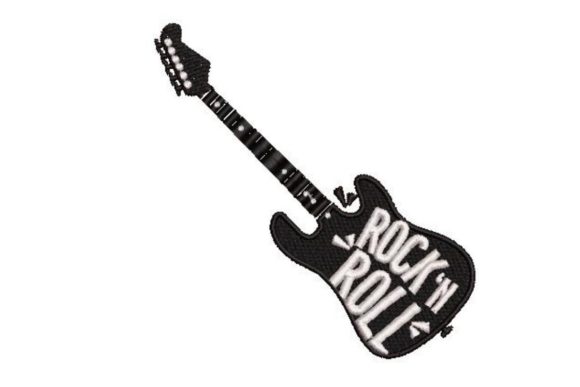
Music: A Designer's Review for Craft Fair Success
As an experienced embroidery designer who has spent countless weekends setting up booths at local craft fairs and handmade markets, I know that the difference between a design that gathers dust and one that sells out often comes down to one thing: visual impact. Today, I am reviewing a digital file titled Music. The description promises a creative touch for home decor, jackets, hoodies, jeans, backpacks, and any fabric needing a cool update. But does this design actually translate from a screen to a tangible product that customers will want to buy? After running through my mental checklist for booth displays, here is my honest review of how Music performs as a craft fair product.
First Impressions and Market Appeal
The title "Music" immediately sets a thematic tone that resonates with a broad audience. In the world of handmade products, music lovers are a dedicated niche. They are collectors, gig-goers, and enthusiasts who wear their passions on their sleeves—literally. When I first looked at the concept for Music, it feels bold and versatile. It sits comfortably in the modern and decorative categories, making it suitable for both rustic farmhouse aesthetics and sleek urban styles. For an Etsy seller or a boutique maker, this theme offers high relatability. Customers do not just buy a tote bag; they buy an identity. If you can capture that identity with a well-executed embroidery file, your sales potential increases significantly.
The description suggests this is a machine embroidery design intended to add a "cool touch." This implies a design that is likely graphic and legible rather than overly ornate. At a craft fair, where customers walk by quickly, your design needs to be understood in under three seconds. Music seems to hit that mark. It is simple enough to be recognizable from across the aisle but detailed enough to show quality craftsmanship when inspected closely.
Product Versatility: Where Does Music Shine?
The true test of any digital embroidery file is its adaptability. Can it work on multiple surfaces without losing its charm? Based on the product description, Music is designed for a wide range of applications. Here is how I envision it performing on specific items for a weekend market display:
- Tote Bag Design: This is arguably the best use case. A large, clean Music motif on a canvas tote bag creates a statement piece. It is practical for shoppers and acts as a walking advertisement for your brand. The design works well as a central focal point on the front of the bag.
- Apron Embroidery: For the culinary enthusiast or the coffee lover, placing Music on a kitchen apron adds a personal flair. It transforms a utilitarian item into a gift-worthy piece. The contrast of thread colors against a solid-colored apron fabric will make the design pop.
- Tea Towel Embroidery: These are classic small shop products. A smaller iteration of the design on a linen tea towel appeals to buyers looking for affordable yet thoughtful gifts. The texture of the towel adds depth to the stitches, enhancing the overall look.
- Caps and Patches: While caps present a challenge due to curvature, a well-sized Music design can look fantastic as an embroidered patch or a centered cap logo. It fits the "streetwear" vibe perfectly, appealing to younger demographics.
- Fabric Pouches and Pillow Covers: These items allow for larger surface areas. You can experiment with different thread colors here, perhaps using metallic threads to give the design a premium feel that justifies a higher price point.
Production Practicality and Batch Potential
When preparing for a busy market day, efficiency is key. You need designs that are repeatable for batch production without causing frustration on the hoop. The description for Music suggests it is straightforward, which is excellent news. Designs that rely on complex, tiny details often fail during high-speed production, leading to skipped stitches or broken threads. If Music maintains clarity at various sizes, it is a strong candidate for creating inventory before the event.
Photography for online listings is another critical factor. A good finished product must photograph well. The simplicity of the Music theme means it will likely read clearly in a flat lay photo or a lifestyle shot on a model. This is crucial for printable mockups used in Etsy listings. If the design is too busy, it gets lost in a cluttered image. If it is too sparse, it might look unfinished. Striking that balance is where Music appears to excel.
Crucial Considerations for the Maker
While the concept is strong, the execution relies entirely on technical choices. Before you commit to mass-producing items with Music, there are several practical notes to consider. First, pay close attention to stitch density. If the design area is dense, it may pucker thin fabrics like t-shirts or lightweight cotton. Conversely, if the design is too open, it may lack substance on heavy materials like denim or thick canvas.
You must also evaluate the hoop size required. A design that requires a massive hoop may limit the types of garments you can embroider, such as fitted jackets or small pouches. Always check the dimensions provided in the machine embroidery design file. Additionally, be mindful of the fabric texture. Textured towels or rough denim can hide fine details. If the design includes tiny lettering or intricate lines, test it on scrap fabric first to ensure those elements remain visible after stitching.
Dark fabrics present another hurdle. To make Music stand out on black or navy fabric, you will need high-quality underlay stitches and potentially a lighter thread color or a specific stabilizer to prevent the dark fabric from showing through the top layer. Never assume a design will look the same on every material.
Designer's Checklist for Success
To ensure your commercial embroidery venture with Music is successful, follow these professional steps:
- Test on Scrap Fabric: Always run a test stitch-out on the exact type of fabric you plan to sell. This reveals issues with puckering, tension, or sizing before you ruin a customer's item.
- Check Thread Contrast: Ensure the chosen thread colors provide enough contrast against the background fabric. Low contrast makes the design hard to see and reduces perceived value.
- Review Spacing and Density: Inspect the design for areas where stitches might crowd each other. Adjust the density settings in your software if necessary to improve durability.
- Use the Right Stabilizer: Match the stabilizer weight to the fabric. Heavy fabrics need heavy stabilizers to support the weight of the embroidery and prevent shifting.
- Create Real Mockups: Don't rely solely on digital renders. Create at least one physical sample to photograph for your design assets. Real photos build trust with buyers.
- Confirm Commercial Licensing: Before selling finished goods, verify the licensing terms of the digital embroidery file. Some licenses restrict the number of units you can produce or prohibit certain product types.
In conclusion, Music has the potential to be a standout addition to any craft fair booth or online store. Its versatility allows it to shine on everything from tote bags to apron embroidery, provided you handle the technical aspects with care. By focusing on quality production, strategic product selection, and clear visual communication, you can turn this design into a profitable line of handmade gifts and market favorites.