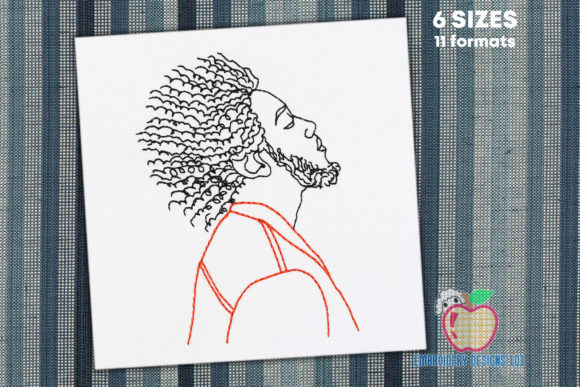
A Sketch of an African Man Design Review
As a professional embroidery designer who has spent years refining designs for commercial use, I approach every new file with a critical eye. When evaluating A Sketch of an African Man, I am not just looking at the visual appeal; I am analyzing its viability as a core asset for small business merchandise and branded patches. The product description paints a picture of something cool, colorful, and creative, promising to add character to creations ranging from home decor to shopping bags. But does this design truly hold up under the scrutiny of a busy production floor? In this review, I will break down how this machine embroidery design performs in real-world scenarios for boutiques, cafes, and handmade brands.
First Impressions: Character and Commercial Appeal
The initial reaction to A Sketch of an African Man is one of warmth and distinct personality. Unlike generic geometric patterns or standard corporate logos, this design offers a human element that resonates deeply with customers seeking authenticity. The "sketch" style suggests a handmade, artisanal feel, which is currently highly sought after in the Etsy marketplace and among craft businesses. It strikes a balance between being bold enough to serve as a primary logo accent and detailed enough to look premium on high-end apparel.
For a brand identity, this design communicates inclusivity and cultural appreciation without feeling like a cliché. Whether you are running a boutique, a creative studio, or a local bakery, adding A Sketch of an African Man to your product line can elevate the perceived value of your items. It transforms a simple t-shirt or tote bag into a statement piece. However, the "colorful" aspect mentioned in the description requires careful thread selection. If the colors clash with your brand palette, the design could lose its professional edge. The key is ensuring the thread colors harmonize with your existing branding assets.
Real-World Applications for Small Business Merch
In my experience, the versatility of A Sketch of an African Man makes it a strong candidate for various commercial applications. Here is how this digital embroidery file translates to physical products:
- Embroidered Patches: This design is an excellent candidate for creating iron-on or sew-on patches. Its defined outlines suggest it will hold well when stitched onto denim jackets, canvas backpacks, or leather goods. A patch featuring this character can serve as a unique badge of honor for staff or a collectible item for loyal customers.
- Staff Uniforms and Aprons: For coffee shops, bakeries, or florists, placing A Sketch of an African Man on the chest pocket or the back of an apron adds a friendly, welcoming touch. It humanizes the service experience, making customers feel they are interacting with real people rather than a faceless corporation.
- Caps and Headwear: Cap embroidery often requires compact designs, but if the stitch density is manageable, this sketch style works beautifully on the front panel or the side of a trucker hat. It creates a casual, streetwear vibe that appeals to younger demographics.
- Tote Bag Designs: Shopping bags are mobile billboards. Using this design on a sturdy canvas tote allows the art to be displayed prominently. The "creative" nature of the sketch ensures it stands out against plain backgrounds, encouraging word-of-mouth marketing when customers carry your bags around town.
- Custom Apparel and Hoodies: For larger garments like hoodies or jackets, the full color potential of the design can be utilized. It serves as a striking focal point on the back or a subtle detail on the sleeve, perfect for limited-run drops by fashion designers.
Strategic Considerations for Specific Use Cases
While the design is versatile, there are specific areas where caution is required. When considering A Sketch of an African Man for small patch sizes, you must verify the minimum stitch count. Intricate details that look great on a screen may become muddy blobs when reduced to two inches. Similarly, cap embroidery involves curved surfaces; if the design includes fine lines or small text, they may distort during the stitching process.
Dark uniforms present another challenge. The description mentions the design is colorful, but dark fabrics require a significant amount of underlay stitching to ensure the colors pop. Without proper stabilizer and underlay techniques, the threads might sink into the fabric, losing their definition. Additionally, items that undergo frequent washing, such as work shirts or aprons, need a design with robust stitch density to prevent fraying over time. Always test the design on the actual fabric before committing to a large production run.
Impact on Brand Identity and Customer Trust
Choosing the right design asset is crucial for building customer trust. A Sketch of an African Man is more than just a graphic; it is a signal of quality and thoughtfulness. When a customer sees a well-executed embroidery design on a product, they immediately associate that care with the brand itself. It suggests that the business owner values aesthetics and craftsmanship.
This design can significantly enhance buyer engagement. On platforms like Etsy, where buyers look for unique, handmade products, a distinctive embroidered patch or logo can be the deciding factor in a purchase. It differentiates your small business merch from mass-produced items found in big-box stores. By using this design consistently across your product line—from packaging accents to branded hats—you create a cohesive visual language that reinforces your brand identity.
Practical Designer Notes for Production
Before you start producing merchandise with A Sketch of an African Man, follow these essential steps to ensure a professional finished product:
- Test in Black and White: Convert the design to grayscale first. Does the contrast remain strong? If the design relies solely on color variation to show depth, it may fail on monochrome garments.
- Check Stitch Density: High stitch density can cause fabric puckering, especially on lightweight materials. Ensure the file is optimized for the fabric texture you intend to use.
- Verify Hoop Size: Confirm that the design fits within your available hoop size. If the design is too large for your standard hoops, you may need to split the embroidery, which can affect the final alignment.
- Review Thread Color Contrast: Ensure the thread colors chosen provide sufficient contrast against your base fabric. Poor contrast can make the design invisible or difficult to read.
- Inspect Spacing and Detail: Zoom in on the design files. Are the outlines thick enough to withstand wear and tear? Are the spacing gaps wide enough to prevent thread breaks?
- Create a Printable Mockup: Before cutting any fabric, generate a realistic mockup for client approval. This helps visualize how A Sketch of an African Man will look on the final product.
- Confirm Commercial Licensing: This is critical. Ensure you have the legal right to use this digital embroidery file for commercial purposes. Check the license terms regarding the number of units you can produce and whether you can resell items featuring the design.
- Use Proper Stabilizer: Never skip the stabilizer. It provides the necessary support for the stitches, preventing distortion and ensuring the design sits flat on the garment.
By following these guidelines, you can transform A Sketch of an African Man from a simple image into a powerful tool for your business. Whether you are creating custom apparel, branded patches, or unique gift items, this design offers the potential to add a layer of sophistication and character to your offerings. Remember, the success of your embroidery project lies not just in the design itself, but in how well you execute it technically. Test thoroughly, plan carefully, and watch your brand come to life through the art of embroidery.