Raggy Chevron Easter Egg Review: Real-World Design Test
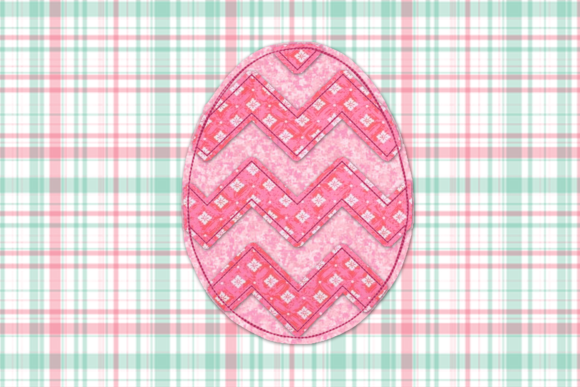
As a designer who has spent years stitching, selling, and refining machine embroidery designs for boutique clients, I approach every new download with a mix of excitement and skepticism. You never know if a design will hold up under the pressure of a busy production schedule or if it will look as good on a finished product as it does on a digital mockup. Recently, I decided to put the Raggy Chevron Easter Egg through its paces before committing it to a client order. This applique design features chevron stripes that promise a modern twist on a classic holiday motif.
My goal was simple: determine if this piece is truly ready for commercial use in my small shop or if it belongs in a hobbyist's personal collection. After running several test stitches on different fabrics, here is my honest assessment of how this design performs in real-life scenarios.
The First Impression: Mood and Visual Personality
When you first open the Raggy Chevron Easter Egg, the immediate feeling is one of playful sophistication. The "raggy" aspect suggests a slightly distressed or textured edge, which immediately elevates the design above standard, flat satin stitch eggs. It feels less like a cartoon and more like a curated craft item. The chevron stripes add a geometric rhythm that breaks up the traditional oval shape, making it versatile enough for both nursery decor and adult apparel.
The layout is clean, but the detail level requires careful consideration. In a digital preview, the stripes look crisp. However, in an actual embroidery project, the success of this design hinges entirely on how well the applique technique translates to fabric. It creates a mood that is festive without being overwhelming, making it perfect for a spring-themed tote bag or a subtle accent on a baby onesie. It strikes a balance between eye-catching and elegant, which is exactly what successful handmade products need.
Real-World Application: From Tote Bags to Baby Gear
I tested this design on three distinct surfaces to see how it would translate across different product categories. First, I applied it to a canvas tote bag. The structure of the bag provided a stable base, allowing the applique layers to sit flat and the chevron pattern to remain sharp. For an Etsy seller, this is a prime candidate for a seasonal bestseller. The design adds a professional touch that customers are willing to pay a premium for, especially when paired with high-quality thread colors.
Next, I moved to a cotton sweatshirt. Here, the "raggy" edges of the egg created a lovely contrast against the soft knit fabric. The applique technique prevented the design from feeling stiff, maintaining the comfort essential for wearable items. However, I noticed that on darker fabrics, the thread color contrast became critical. If you choose light-colored threads for the chevrons, they pop beautifully; if the contrast is too low, the geometric pattern gets lost.
Finally, I experimented with a pillow cover for a nursery setting. The design works exceptionally well here because the fill stitches provide enough texture to catch the light, adding depth to the room decor. For a creative entrepreneur looking to expand their catalog, this design fits seamlessly into a line of holiday gifts or personalized baby items. It transforms a basic fabric item into a statement piece that feels custom-made rather than mass-produced.
Where to Use Caution: Fabric and Hoop Limitations
While the Raggy Chevron Easter Egg is a strong contender for many projects, it is not a universal solution. There are specific scenarios where this design might struggle. I strongly advise against using this on highly textured fabrics like heavy bouclé or thick fleece, as the applique layers may not lay flat, disrupting the chevron alignment.
Stretchy fabrics require extra attention. While a stabilizer can help, the tension of the applique stitches can sometimes cause the fabric to pucker around the curved edges of the egg. If you are working on a cap or a curved surface, the distortion of the chevron pattern could be noticeable. In these cases, a smaller hoop size might limit the design's full potential, so always check your hoop dimensions before starting.
Dense stitch areas can also be a concern. If the design includes intricate details within the stripes, very dense stitching on thin fabric can lead to perforation or stiffness. Additionally, for products that need frequent washing, such as kitchen towels or aprons, ensure that the applique edges are securely stitched down. A loose edge can fray over time, affecting the longevity of the finished product and potentially damaging customer trust in your brand.
Practical Designer Notes for Success
To get the most out of this embroidery file, there are a few technical steps you must take. First, always test the design on scrap fabric that matches your final project material. This allows you to gauge the stitch density and ensure the applique fabric blends well with the background. Check the thread colors carefully; the success of the chevron pattern relies on the interplay between the stripe colors and the base fabric.
Review the stitch density in your software before sending it to the machine. High-density areas can cause issues on lighter fabrics, while lower density might look sparse on dark backgrounds. Confirming the correct hoop size is vital to avoid cutting off any part of the design during the stitching process. Using the proper stabilizer is non-negotiable; for applique work, a cut-away stabilizer often provides the necessary support to keep the design stable after washing.
Inspect the small details closely. Sometimes, the "raggy" effect can result in loose threads if the trim settings aren't optimized. It is also wise to create black and white mockups to visualize the contrast levels before committing to expensive materials. Compare how the design looks on both light and dark fabric backgrounds to ensure versatility. Finally, verify the licensing terms. If you plan to sell finished items or distribute the digital embroidery file, confirm that your license covers commercial use to avoid legal issues later.
Impact on Brand and Customer Perception
In the world of handmade goods, visual appeal directly correlates to perceived value. A well-executed embroidery project like the Raggy Chevron Easter Egg signals professionalism and attention to detail. When customers receive a product with clean lines, consistent stitching, and thoughtful design choices, they are more likely to leave positive reviews and recommend your shop to others.
This design enhances brand consistency by offering a cohesive look across various product lines. Whether used on a patch, a tea towel, or a holiday gift, the geometric theme ties the collection together. It engages buyers by offering something unique that stands out in a crowded marketplace. For a small business owner, investing time in testing and refining designs like this pays dividends in customer loyalty and repeat sales.
Ultimately, the Raggy Chevron Easter Egg is a solid addition to any designer's toolkit. It offers a blend of tradition and modernity that resonates with a wide audience. By understanding its strengths and limitations, you can leverage this design to create stunning finished products that delight customers and elevate your craft business. Just remember, the difference between a good design and a great one often lies in the preparation and execution.