Race Car Applique Review for Real Projects
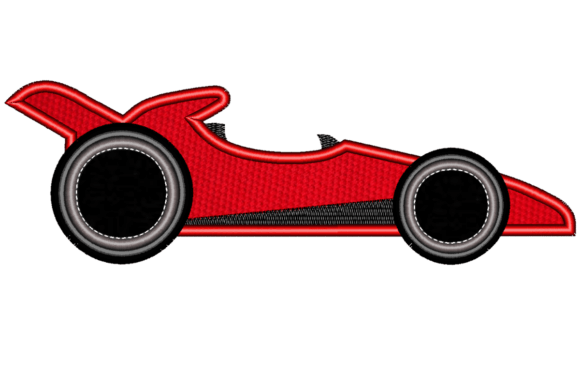
As a designer who spends hours testing machine embroidery designs before they ever hit a customer's order, I look past the flashy marketing to see how a file actually performs in the hoop. When I first opened the Race Car Applique, the immediate feeling was one of high-energy motion. It isn't just a static image; it feels like it is speeding across the fabric. This applique design captures that specific "cool and colorful" vibe mentioned in its description, but my job is to tell you if that translates well into a physical finished product. For embroidery designers and small business owners looking to add a touch of adventure to their inventory, this piece offers some genuine potential, provided you understand its strengths and limitations.
First Impressions: Mood and Visual Personality
The Race Car Applique exudes a playful, youthful energy right out of the box. The shape is dynamic, suggesting speed and movement, which makes it an excellent choice for baby embroidery or children's apparel. Unlike standard fill stitches that can sometimes feel heavy, the applique technique here promises a textured, layered look that stands up off the fabric. This adds a tactile dimension that customers love when they are buying handmade products.
The color palette described as "full of adventure style" suggests bold contrasts. In a real-world setting, this means the design will pop on light backgrounds but requires careful thread selection on darker fabrics. The visual personality is unmistakably sporty yet soft enough for nursery decor. It strikes a balance between a rugged aesthetic and the delicate nature of custom apparel intended for young ones. If you are building a brand around active play or racing themes, this embroidery file fits the narrative perfectly without needing additional text to explain what it is.
Real-World Application: From Hoop to Product
I recently tested this concept by imagining a custom order for a local boutique owner who wanted to create matching gift sets for a baby shower. The client needed something unique for a baby boy's onesie and a coordinating tote bag. The Race Car Applique seemed ideal for both, but the execution required different strategies for each item.
On the sweatshirt embroidery project, the applique technique shines. The added layer of fabric gives the car a sturdy presence that holds up against the thick cotton of a hoodie. It creates a professional finish that looks more expensive than a simple satin stitch outline. However, on the tote bag design, the challenge shifts. Totes are often made from canvas or cotton duck, which can be stiff. The density of the fill stitch used in the wheels and body needs to be considered carefully to prevent puckering. If the stabilizer isn't robust enough, the tension could distort the car's shape, ruining the sleek lines that make this design asset so appealing.
This versatility extends beyond clothing. Imagine this applied to a pillow cover for a child's room or even a kitchen towel for a dad who loves cars. The applique design adds a focal point that transforms a generic item into a personalized gift. For an Etsy seller or small shop product creator, this flexibility allows you to market the same digital file across multiple categories, maximizing your return on investment.
Where to Use Caution
While the Race Car Applique is versatile, it is not a universal solution for every surface. There are specific scenarios where this design might struggle, and knowing them is crucial for maintaining your reputation as a quality craft business owner.
- Small Hoop Sizes: If you are working with very small items like a cap brim or a tiny pocket, the overall size of the car might overwhelm the space. Always check the dimensions against your hoop size constraints before committing to a production run.
- Textured and Stretchy Fabrics: Applique relies on a stable base. On highly textured fabrics like boucle or stretchy jersey knits, the layers might shift during stitching. Without proper stabilizer techniques, the result can look messy rather than polished.
- Dense Stitch Areas: The wheels and grill details likely contain dense stitching. On thin fabrics, this can cause the material to pucker or become too stiff to wear comfortably. It is essential to test the stitch density on scrap material first.
- Curved Surfaces: While great for flat items like aprons or blankets, applying this to a curved surface like a baseball cap requires advanced skills. The geometry of the car might not lay flat against the curve of a hat, leading to uneven edges.
Impact on Brand and Customer Trust
In the world of commercial embroidery, the difference between a good product and a great one often comes down to detail. A well-executed embroidery project using the Race Car Applique signals professionalism. Customers notice the crisp edges of the applique and the clean transitions between colors. This attention to detail builds trust and encourages repeat business.
When you present a printable mockup of this design on a high-quality garment, it immediately elevates the perceived value of the item. It moves the product from a simple novelty to a piece of wearable art. For digital product sellers, showcasing how this embroidery design looks in various contexts can drive sales. Buyers want to know that the file will produce a clear, vibrant image that doesn't lose definition when stitched.
However, poor execution can have the opposite effect. If the thread colors clash with the fabric or the stabilizer fails, the design loses its charm. This is why reviewing the file structure and planning your workflow is non-negotiable. A frustrated customer receiving a puckered personalized gift is unlikely to recommend your shop to others.
Practical Designer Notes for Success
To get the most out of the Race Car Applique, I recommend following a strict testing protocol. First, always test the design on scrap fabric that matches your final material in weight and texture. This helps you gauge how the applique layers interact with the base cloth.
Check your thread colors against both light and dark backgrounds. A color that looks vibrant on white might disappear on navy blue. You may need to adjust the underlay or use a contrasting backing thread to ensure the car pops. Inspect the small details closely; sometimes, fine lines in an embroidery file can merge together if the machine tension is slightly off. Confirming the hoop size is adequate for the design's dimensions prevents frustration mid-stitch.
Don't forget to review the licensing terms. If you plan to sell finished products featuring this design, you must ensure you have the commercial rights. Similarly, if you are selling the digital embroidery file itself, verify what you are allowed to distribute. Finally, test the washability. A handmade product should withstand frequent laundering without the applique peeling or the stitches fraying. By taking these steps, you ensure that the Race Car Applique remains a reliable tool in your creative arsenal, delivering the "adventure style" promised in its description while meeting the high standards of modern crafters and entrepreneurs.