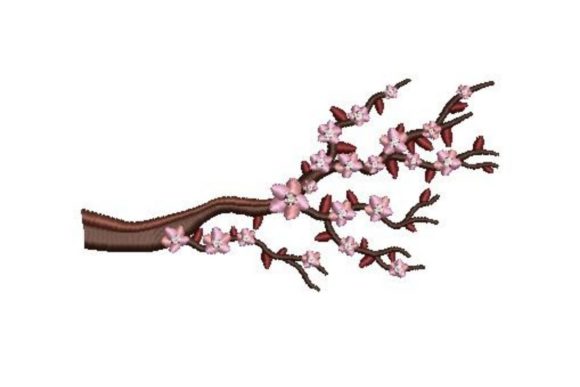
Japanese Cherry Tree Embroidery Review
As a professional embroidery designer who has spent years refining the art of digital stitching for commercial apparel, I approach every new machine embroidery design with a critical eye. Today, I am evaluating a specific piece titled Japanese Cherry Tree to determine its viability for a limited edition sweatshirt drop for a boutique clothing brand. The product description paints a picture of a "colorful flower composition" intended for clothes and home decor, but my job is to see if that translates into a premium sweatshirt embroidery experience. This review breaks down exactly how this design fits into the workflow of an Etsy seller or a small shop owner looking to elevate their custom apparel line.
First Impressions: Mood and Visual Potential
The moment I opened the file, the name Japanese Cherry Tree set the tone immediately. Unlike generic floral patterns, this title suggests a specific aesthetic: organic, fleeting beauty mixed with cultural elegance. The description mentions a "colorful flower composition," which implies a vibrant palette rather than a monochromatic silhouette. In the context of our project, we are aiming for a look that balances feminine charm with modern streetwear appeal.
When visualizing this on a neutral oatmeal or heather grey hoodie, the colorful nature of the design becomes the focal point. It feels less like a logo and more like a statement piece. For a boutique brand, this distinction is crucial. A simple logo says "brand," but a rich floral composition says "lifestyle." The design appears to have enough detail to be considered decorative without becoming cluttered, provided the stitch density is managed correctly. It strikes a balance between being cute and bold, making it suitable for an oversized hoodie collection where the design needs to hold its own against large fabric surfaces.
Application on Fabric: Texture and Placement
One of the most common challenges in sweatshirt embroidery is dealing with the thickness of the fleece and the potential for puckering. When I analyzed the layout of the Japanese Cherry Tree, I noted that it seems designed as a central chest motif or a full back print. On dark fabric, such as navy or charcoal, the "colorful" aspect of the flowers would pop dramatically, creating a high-contrast, premium feel. However, on pastel colors like baby pink or mint, the design might blend slightly, requiring careful selection of thread colors to ensure visibility.
I envision this design perfectly placed on the left chest of a cozy seasonal pullover, offering a subtle nod to spring without overwhelming the wearer. Alternatively, for a true statement piece, placing the entire flower composition across the back of an oversized sweatshirt would create a stunning visual anchor. The natural flow of cherry blossoms lends itself well to flowing layouts, allowing the design to wrap slightly around the shoulders or sleeves as an accent. This versatility makes it a valuable asset for any digital embroidery file library targeting the handmade market.
Technical Considerations for Commercial Production
Before moving to production, several practical concerns must be addressed to ensure the finished product meets quality standards. The first is stitch density. Floral designs can easily become too dense, causing the fabric to stiffen and lose its soft hand-feel—a major deterrent for customers buying comfortable loungewear. If the Japanese Cherry Tree design includes heavy satin stitches for the petals, I would recommend testing it on a scrap of the actual garment fabric to check for stability.
Fabric texture plays a significant role here. Sweatshirts often have a brushed interior and a smooth exterior. We need to ensure the hoop size used for digitization matches the physical constraints of the embroidery machine to prevent distortion. Furthermore, stabilizer choice is non-negotiable. For a heavy fleece material, a cut-away stabilizer is likely necessary to support the weight of the colorful threads and prevent the design from washing out or distorting over time. Without the right backing, even the most beautiful embroidery file will fail to deliver a professional result.
Readability at smaller sizes is another factor. If you plan to offer this design on tote bags or smaller accessories as mentioned in the description, you must verify that the fine details of the cherry blossoms do not get lost when scaled down. The description notes "multiple emb," suggesting multiple files or variations, which is excellent for creating different product tiers.
Brand Identity and Market Value
In the world of online retail, particularly for Etsy sellers and creative entrepreneurs, the perceived value of a product is often tied to the quality of its decoration. A poorly executed commercial embroidery job can make a brand look amateurish, whereas a crisp, vibrant design like Japanese Cherry Tree elevates the entire item. When a customer sees a beautifully stitched floral composition on a high-quality sweatshirt, they perceive the garment as a unique craft item rather than mass-produced merchandise.
This design has the potential to significantly boost buyer trust and engagement. The "Forest" category mentioned in the metadata aligns perfectly with current trends toward nature-inspired aesthetics. By using this design, a small business can tap into the growing demand for rustic yet refined fashion. It creates a cohesive brand identity that speaks to customers who appreciate handmade presentation and artistic detail. Whether used for lifestyle product photography or mockup previews, the image of these colorful flowers against a soft fabric background is inherently shareable and engaging.
Final Verdict for Small Shop Owners
For those looking to launch a new collection, the Japanese Cherry Tree design offers a compelling opportunity. It bridges the gap between traditional craftsmanship and modern apparel trends. However, success depends on execution. You must verify the specific thread colors included in the download and ensure they complement your chosen garment palette. Additionally, always check the recommended hoop size and file format compatibility before purchasing or downloading.
If you are a small shop product creator, this design allows you to offer something distinct. It transforms a standard hoodie into a wearable piece of art. Just remember that the magic lies in the details: the choice of stabilizer, the tension settings, and the care taken during the hooping process. With the right preparation, this embroidery design can become a signature element of your brand, driving sales and establishing your reputation for quality.
Ultimately, the decision to use Japanese Cherry Tree comes down to whether it fits your specific aesthetic goals. If you aim for a look that is both decorative and durable, and if you are willing to invest in proper setup techniques, this design is a strong candidate for your next custom apparel project. It promises to turn a simple sweatshirt into a cherished item that customers will want to wear and show off.