Cute Kitty Sitting in Basket Review
As an experienced embroidery designer who has spent years refining digital assets for commercial production, I approach every new file with a critical eye. When evaluating Cute Kitty Sitting in Basket, my focus shifts immediately from simple aesthetics to its viability as a business asset. For small business owners, Etsy sellers, and apparel decorators, the difference between a charming decoration and a professional brand identifier often lies in execution. This review analyzes how this specific design performs when applied to real-world merchandise, from branded patches to custom aprons.
First Impressions: Playful Yet Professional
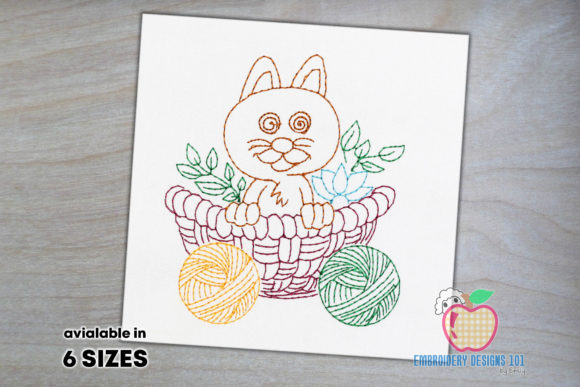
The title Cute Kitty Sitting in Basket suggests a design that is inherently friendly and approachable. Based on the description emphasizing colorful and playful elements, this design feels perfectly suited for brands that want to convey warmth and creativity without sacrificing quality. In the world of brand identity, visual consistency is key. A design that looks "handmade" can sometimes appear amateurish if the stitch work is sloppy, but a well-executed machine embroidery design strikes a balance between artisanal charm and industrial precision.
This particular design appears to have the potential to be more than just a decorative accent. The imagery of a cat in a basket evokes a sense of comfort and domesticity, which translates exceptionally well for bakeries, pet brands, florists, and boutique shops. It offers a soft, welcoming vibe that can help humanize a corporate logo or add a unique touch to a product line. However, the success of this application depends heavily on how the stitch density and thread colors are managed during the digitizing process.
Real-World Business Applications
When considering where Cute Kitty Sitting in Basket fits into a product strategy, the possibilities are extensive. For a local café or bakery, this design could serve as a delightful addition to staff uniforms. Placing it on a chest pocket or as a sleeve detail on a barista's apron creates a memorable customer experience. It transforms a standard work shirt into a branded piece that tells a story about the shop's personality.
For entrepreneurs selling handmade goods, this design is a strong candidate for embroidered patches. Patches offer versatility; they can be sewn onto tote bags, denim jackets, or even used as tags on product packaging. Imagine a boutique selling candles or soaps adding a small patch featuring this kitty to their shipping boxes. It elevates the unboxing experience and encourages customers to share their purchases on social media, driving organic engagement.
In the realm of small business merch, cap embroidery remains a staple. The rounded nature of a basket might require careful placement on a curved cap front, but if executed correctly, it becomes a standout feature. Similarly, for crafters looking to create event merchandise, this design works well for limited-run items like conference badges or workshop aprons. It allows businesses to maintain a cohesive look across different product categories, ensuring that whether a customer buys a hat or a tote bag, the visual connection to the brand remains strong.
Strategic Considerations and Limitations
While the potential is high, there are specific scenarios where Cute Kitty Sitting in Basket requires caution. One of the primary challenges in commercial embroidery is size. If the design is scaled down too much for a tiny patch or a small label, intricate details may disappear, resulting in a muddy appearance. It is crucial to verify the minimum recommended size before ordering production runs.
Fabric texture also plays a significant role. Embroidery on smooth, stable fabrics like twill or cotton canvas yields the best results. However, applying this design to highly textured materials or stretchy knits without proper support can lead to puckering and distortion. Furthermore, dark uniforms present a challenge; unless the design includes a robust underlay or the thread colors are sufficiently opaque, the final image may lack the vibrant contrast promised in the description.
Items that undergo frequent washing, such as work shirts or kitchen aprons, demand durable construction. Designs with loose stitches or excessive detail in tight spaces may degrade faster over time. Therefore, while this design is excellent for promotional gifts or occasional wear, it should be tested rigorously on items intended for heavy-duty, daily use to ensure longevity.
Impact on Brand Identity and Customer Trust
The decision to use a specific digital embroidery file directly influences how a brand is perceived by its audience. A polished, well-stitched finished product signals professionalism and attention to detail. Conversely, a poorly executed design can undermine the value of the entire product line. By choosing a design like Cute Kitty Sitting in Basket, businesses align themselves with values of playfulness and care, which can deepen customer trust and loyalty.
Visual consistency is paramount for recognition. If a brand uses this design on a tote bag, it should ideally echo on other assets like caps or labels. This repetition reinforces the brand message and makes the business more memorable. When customers see a high-quality embroidered mark, they associate that quality with the products inside the bag or the service provided by the staff wearing the uniform.
Essential Designer Notes for Production
Before committing to a large production run, any savvy decorator must follow a strict testing protocol. First, always test the design in black and white. This ensures that the composition holds up regardless of color choices and helps identify any issues with spacing or negative space. Next, check the performance at the smallest intended size to ensure no details are lost.
Thread color contrast is another critical factor. The description mentions the design is colorful, but you must verify that the chosen threads provide enough contrast against the target fabric. Inspect the spacing within the design to prevent stitches from merging together. Confirming the correct hoop size is essential to avoid distortion, and using the proper stabilizer is non-negotiable for maintaining the integrity of the stitches on various fabric textures.
Create a printable mockup for client approval before cutting any fabric. This step allows stakeholders to visualize the final product and catch potential errors early. Compare the design beside other existing design assets to ensure it fits the overall brand aesthetic. Finally, and most importantly, confirm commercial licensing terms. Ensure that you have the legal right to use Cute Kitty Sitting in Basket on items you intend to sell for profit.
If specific details regarding stitch count, file formats, or exact hoop requirements are not clearly defined in the product listing, do not proceed with production until these technical specifications are obtained. In the world of commercial embroidery, assumptions are the enemy of quality. By treating Cute Kitty Sitting in Basket with the same rigorous standards as any other professional asset, small business owners can ensure their branded merchandise stands out for all the right reasons.