Circus Seal: A Designer's Review for Real Projects
I have spent years reviewing embroidery files, stitching them on everything from delicate organza to heavy denim, and judging their viability for both personal gifts and commercial product lines. When I first opened the Circus Seal file, my immediate reaction was one of genuine delight, but as a professional, that feeling quickly turned into a practical assessment of how this design would perform in the real world. It is not just a cute image; it is a potential centerpiece for a variety of handmade products, provided you understand its strengths and limitations.
The First Impression: Mood and Visual Personality
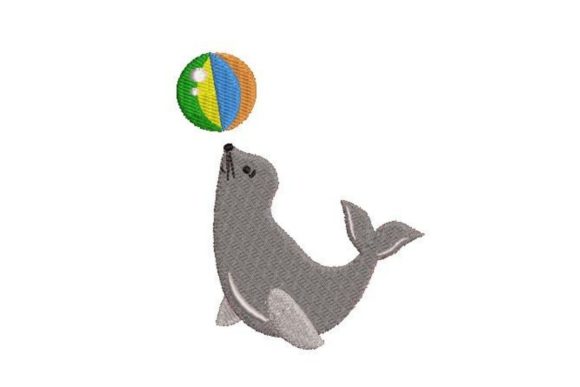
Circus Seal immediately evokes a sense of whimsy and nostalgia. The subject matter—a seal performing at a circus—is inherently playful, making it an excellent choice for projects targeting children, nurseries, or family-oriented brands. The layout appears balanced, likely featuring a central focal point that works well without needing excessive surrounding text. In terms of visual personality, this design feels friendly and approachable rather than stiff or overly formal. It suggests a project that is meant to bring a smile, which is a crucial factor when designing for gift markets or boutique collections.
The detail level seems appropriate for machine embroidery, avoiding the trap of becoming muddy when stitched. For a design to work effectively, it must hold its shape whether it is being used on a soft baby onesie or a sturdy canvas tote bag. The concept of a "magical work of art" mentioned in the description aligns with the potential of this file, but only if the stitch density and thread colors are chosen correctly to enhance the illusion of depth and texture.
Real-World Application: From Concept to Finished Product
Let me walk you through a scenario I often encounter in my own workflow. Imagine you are preparing a custom line of merchandise for an upcoming craft fair. You decide to feature Circus Seal on a collection of aprons and tote bags for a local kids' cooking class. The goal is to create something that looks professional enough to command a higher price point but retains that charming, handmade feel.
In this context, Circus Seal shines. The circular or contained nature of a circus theme usually translates well to the rounded shapes found on tote bags or the chest area of aprons. When stitched onto a high-quality cotton canvas, the design could serve as a standout logo for the event. For small business owners and Etsy sellers, this versatility is key. You aren't limited to just one product type. This same design file could be adapted for:
- Custom Apparel: Sweatshirts and t-shirts for themed parties or school events.
- Baby Items: Soft muslin blankets, burp cloths, or bibs where the gentle theme fits perfectly.
- Home Decor: Pillow covers or kitchen towels that add a touch of fun to a domestic space.
- Accessories: Embroidered patches or caps that can be sold as standalone items or attached to larger garments.
The ability to use this design across such a diverse range of categories increases its value significantly for digital product sellers. If you are creating printable mockups to showcase your shop, Circus Seal offers a versatile asset that appeals to a broad demographic, from parents looking for personalized gifts to boutique owners seeking unique inventory.
Technical Considerations and Stitching Performance
While the concept is strong, the execution depends entirely on the technical details of the embroidery file. Before committing to a production run, you must evaluate how the design handles different fabrics and stitch types. The interplay between satin stitches, fill stitches, and running stitches will determine the final clarity.
If the design relies heavily on fine details, it may struggle on textured fabrics like chunky knits or bouclé. On these materials, the background texture can interfere with the definition of the seal, causing the image to look less sharp. Similarly, stretchy fabrics like jersey require careful stabilization to prevent puckering, which can distort the curves of the design. For a project like a sweatshirt, using a cutaway stabilizer is often necessary to maintain the integrity of the Circus Seal over time.
Thread color contrast is another critical element. A design that looks vibrant in a digital preview might appear washed out if the wrong thread colors are selected against a dark fabric. You need to ensure that the highlights and shadows within the seal are distinct enough to be visible after stitching. Testing the design in black and white mockups can help you visualize how the values translate before you even thread your machine.
Where to Exercise Caution
No design is perfect for every situation, and Circus Seal has specific constraints that experienced designers should respect. There are several scenarios where this design might not deliver the best results:
- Small Hoop Sizes: If you are working with very small hoops, intricate details may get lost or become too dense to stitch cleanly. Always check the recommended hoop size for the file.
- Detailed Corners: Designs with complex corners can sometimes snag or break threads on automated machines. Inspect the digitization closely for any sharp angles that might cause issues.
- Frequent Washing: For items like baby clothes or kitchen towels that undergo frequent laundering, ensure the stitch density is robust enough to withstand wear without pilling or fraying.
- Curved Surfaces: While caps are popular, applying a large, detailed design to a curved surface requires precise alignment. If the design is too wide, it may wrap awkwardly around the brim.
Additionally, if you plan to sell finished products, verify the licensing terms included with the file. Some designs allow for personal use only, while others permit commercial sales. Understanding these restrictions is vital for protecting your business and avoiding legal complications.
Designer Notes for Success
To get the most out of Circus Seal, I recommend a few practical steps before starting your main project. First, always test the design on scrap fabric that matches your final material. This allows you to adjust tension, thread colors, and stabilizer choices without risking your actual product.
Review the stitch density carefully. High-density areas can lead to a stiff, board-like feel on the fabric, which might be undesirable for soft baby items or comfortable loungewear. Conversely, low-density areas might look sparse on certain backgrounds. Adjusting the thread colors to complement the fabric texture can elevate the perceived quality of the handmade product.
Finally, consider the end-user experience. Will the customer appreciate the design? Does it fit the brand identity of your shop? A well-executed embroidery project builds trust and encourages repeat business. By taking the time to analyze Circus Seal thoroughly, you ensure that your finished product reflects the professionalism and care that customers expect.
Ultimately, Circus Seal is a charming addition to any library of machine embroidery designs. Its playful theme and potential for versatility make it a valuable asset for creators looking to expand their offerings. Whether you are a hobbyist making a special gift or a seasoned entrepreneur building a brand, this design offers a solid foundation for creating something truly magical.