Candy House Embroidery Design Review
As an experienced embroidery designer, I am constantly evaluating new digital files to determine their potential for seasonal collections. When I first opened the Candy House design, my immediate reaction was one of delight. It captures a specific nostalgic mood that resonates deeply with holiday shoppers. This isn't just a graphic; it is a statement piece that promises to bring sweetness into a home through the art of stitching. For those of us building product lines for the holidays, this design feels like a natural fit for anyone looking to create cozy, festive items that stand out on a shelf or in a social media feed.
The First Impression: A Festive Mood Board
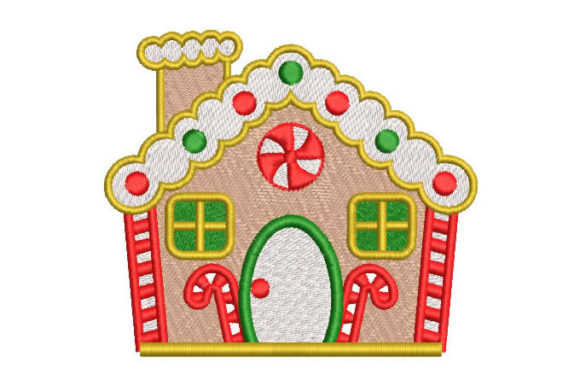
The emotional tone of Candy House is undeniably playful yet elegant. It strikes a balance between rustic charm and modern cuteness, making it versatile enough for various demographics. The visual style suggests a treat-inspired aesthetic that immediately evokes feelings of warmth and celebration. When planning a collection, I look for designs that can serve as the centerpiece of a larger theme, and this file does exactly that. It feels premium without being overly formal, which is crucial for handmade gifts and family matching items.
The detail level appears sufficient to hold interest without becoming too dense for smaller projects. This balance is vital when considering how the design will translate from a screen to fabric. Whether intended for a child's outfit or a sophisticated home decor item, the design possesses a decorative quality that enhances the perceived value of the finished product. It is the kind of motif that customers want to see on their kitchen towels or aprons during the busy season.
Real-World Applications for Sellers and Creators
In the current market, versatility is key for Etsy sellers and small business owners. Candy House offers a wide array of possibilities for physical products. I envision this design thriving on sweatshirt embroidery, creating adorable family matching sets that are perfect for holiday photos. The same file could be adapted for tote bag designs, turning a simple canvas bag into a festive accessory for holiday shopping trips.
Home decor remains a massive category for holiday sales. Imagine placing this design on pillow covers or table linens. The sweet imagery would complement winter color palettes beautifully, adding a touch of whimsy to dining tables or living room seating. Kitchen towel embroidery is another standout application; these are popular gift items that buyers often seek out for housewarmings or holiday exchanges. Furthermore, the design works well on baby items, where soft textures and cute motifs are highly prized by parents and grandparents alike.
For those interested in wearable accessories, Candy House could be transformed into an embroidered patch or applied to aprons for baking enthusiasts. In terms of marketing, this design is incredibly photogenic. It creates excellent opportunities for printable mockups and social media previews. A high-quality image of this design stitched onto a dark background or a crisp white cloth can drive engagement during the critical pre-holiday shopping periods.
Strategic Product Bundling
When organizing limited edition apparel drops, bundling Candy House with complementary patterns can increase average order value. Consider pairing it with snowflake motifs or simple text phrases to create a cohesive collection. For craft fair displays, having a variety of finished samples—such as ornaments, patches, and kitchen textiles—allows customers to visualize the potential of the design. Personalized gifts featuring this motif also carry a higher emotional weight, as the unique candy theme adds a layer of thoughtfulness to the presentation.
Technical Considerations and Usage Warnings
While the design has strong commercial potential, there are specific scenarios where caution is required. Small hoop sizes present a challenge if the design contains intricate details or tiny lettering. If the original file includes fine elements, they may not stitch clearly on very small items like ornaments or small patches. It is essential to review the digitization to ensure all elements remain legible after stitching.
Fabric choice plays a significant role in the final outcome. Thick towels, such as terry cloth, can sometimes distort the density of the stitches, causing the design to look uneven. Similarly, stretchy garments like lightweight knitwear require careful handling to prevent puckering. Dark fabrics demand a different approach, particularly regarding thread colors and underlay. Without proper stabilizer support, the design might sink into the fabric, losing its definition.
Metallic threads add a luxurious feel but can be tricky with complex designs. If the Candy House file relies heavily on satin stitches for outlining, metallic thread might break or fray during high-speed machine embroidery. Curved caps also require specific digitizing techniques to ensure the design sits correctly on the curve of the hat. Finally, items that need repeated washing, such as daily wear clothing, must be tested for durability to ensure the stitches do not pull or fade quickly.
Maximizing Seasonal Appeal and Brand Value
The right design can significantly impact buyer emotion and product value. Candy House taps into the universal desire for comfort and joy during the holidays. By offering this design, creators signal that they understand the emotional needs of their customers. Visual recognition is also important; a distinct and charming design helps build brand consistency across different product types. When a customer sees the same sweet aesthetic on a tote bag, a pillow, and a shirt, it reinforces trust in the shop's quality.
Engagement during holiday shopping periods often hinges on how well a product tells a story. This design invites customers to imagine the joy of gifting it to a loved one. Whether it is a handmade gift for a neighbor or a personalized gift for a grandchild, the narrative of "bringing sweetness" aligns perfectly with the spirit of the season. However, creators must ensure that the finished product matches the expectations set by the digital preview.
Essential Designer Notes for Success
To ensure the highest quality output, several practical steps must be taken before mass production. Always test thread colors on both light and dark fabric to verify contrast and visibility. Check the stitch density carefully; if the design is too dense, it may become stiff and uncomfortable on garments like sweatshirts. Confirm the recommended hoop size for each project to avoid cutting off parts of the design.
Using the proper stabilizer is non-negotiable for professional results. The type of stabilizer should match the fabric texture and the complexity of the design. Create realistic mockups to show customers what the final product will look like, ensuring that the lighting and fabric choices in the photo reflect reality. Review small details after stitching to catch any potential issues with registration or tension.
Planning matching color palettes helps in creating cohesive collections. If you plan to sell variations, ensure the colorways work well together. Most importantly, confirm commercial licensing before selling finished seasonal products. Many digital embroidery files come with specific terms regarding how many units can be sold or if they can be used for personal versus commercial purposes. Ignoring these terms can lead to legal issues down the line.
Finally, remember that while the description highlights the versatility of the design, specific technical details like exact stitch counts, file formats, and precise dimensions are not provided in the initial product overview. Buyers should always check the specific file specifications provided by the creator before purchasing. By following these guidelines and paying attention to the nuances of Candy House, embroidery designers and sellers can create stunning, high-value holiday products that resonate with customers and drive sales.