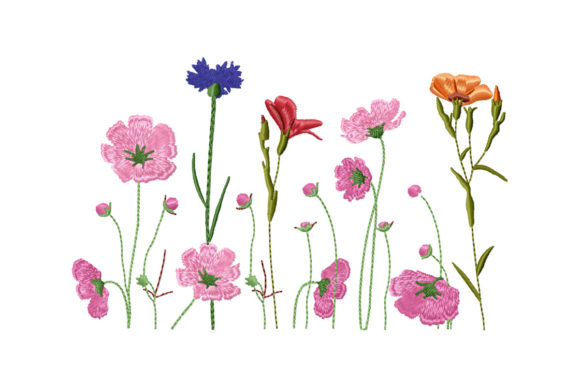
Beautiful Wildflowers Border Review
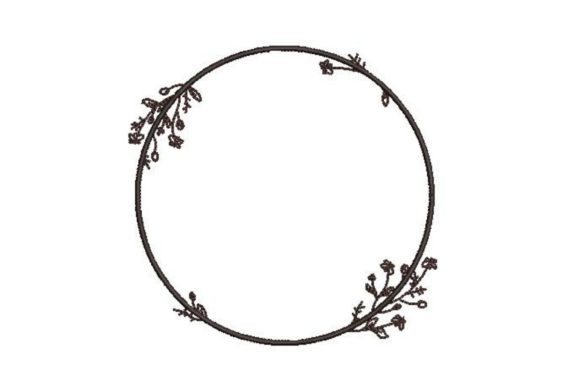
As an experienced embroidery designer who has spent countless weekends at craft fairs and handmade markets, I know that the difference between a design that sits on a shelf and one that sells out in minutes often comes down to presentation. Today, I am reviewing the Beautiful Wildflowers Border, a machine embroidery design featuring summer meadow plants including cornflower, cosmea, and buttercup. Before I commit to producing a booth full of products, I need to determine if this design has the visual punch and practical versatility required for a successful commercial run.
First Impressions: A Farmhouse Gem
The moment I read the description of this splendid wildflower embroidery, my mind immediately went to the rustic yet elegant aesthetic that dominates current market trends. The combination of cornflower, cosmea, and buttercup suggests a soft, natural palette that feels undeniably farmhouse and boutique-ready. Unlike bold, graphic designs that scream for attention, Beautiful Wildflowers Border whispers quality. It evokes the feeling of a sunny afternoon in a meadow, making it perfect for customers seeking items with a touch of nostalgia and charm.
This design does not feel minimal or overly modern; instead, it leans heavily into decorative and premium vibes. The border format is particularly exciting because it frames other elements beautifully without overwhelming them. For a handmade shop owner, this translates to high perceived value. When a customer sees a simple white tea towel transformed by a vibrant row of these flowers, they instantly recognize the effort and artistry involved, which justifies a higher price point at the craft fair.
Product Potential: Where This Design Shines
When preparing my display table for a weekend event, I visualize exactly where Beautiful Wildflowers Border will stand out. The versatility of this embroidery file allows it to work across a wide range of craft fair product categories.
- Tote Bags: As a tote bag design, placing this border along the bottom hem or wrapping around the top creates an instant upgrade from a plain canvas bag. It photographs exceptionally well for online listings, catching the light and showing off the texture of the stitches.
- Kitchen Textiles: For tea towel embroidery, this design is a showstopper. Running the border down the side or framing the center of a flour sack towel adds a professional finish that makes the item look like a curated gift set rather than a mass-produced good.
- Aprons: An apron embroidery project using this motif can serve as a focal point on the bib or as a subtle trim along the waist tie. It appeals to home cooks who want their kitchen gear to reflect a love for nature and gardening.
- Patches and Caps: While borders are typically linear, I see potential here for creating custom embroidered patches by isolating sections of the floral arrangement. However, applying a long border directly to a curved cap surface requires careful planning to ensure the flowers don't distort awkwardly.
- Home Decor: Pillow covers and small pouches benefit immensely from this style. The repetitive nature of a border makes it ideal for commercial embroidery projects where consistency is key.
For an Etsy seller or digital seller looking to expand their inventory, this design offers endless possibilities. It works as a standalone piece or can be combined with other design assets to create cohesive collections. Whether you are selling finished goods or offering custom services, Beautiful Wildflowers Border provides a strong foundation for brand consistency.
Production Realities and Selling Points
From a production standpoint, the success of any handmade product relies on how easily the design can be executed and reproduced. One of the strongest selling points of this border is its clarity. At a glance, the distinct shapes of the cornflower and buttercup should remain recognizable even when viewed from a distance at a busy craft fair. This ensures that passersby can appreciate the detail without needing to lean in close.
Photographing this design for printable mockups or Etsy listings will likely yield high-quality results. The organic flow of the flowers breaks up straight lines nicely, adding visual interest to flat-lay photos. Furthermore, the border format is highly repeatable for batch production. If you are running a small shop, being able to stitch multiple identical items quickly without losing quality is essential for meeting demand during peak seasons.
However, there are critical factors to consider before hitting the "start" button on your machine. Understanding the stitch density is paramount. If the design packs too many stitches into a small area, it may become stiff and lose the delicate look of real petals. Conversely, if it is too sparse, it might lack the premium feel customers expect. You must verify the hoop size requirements to ensure the entire border fits comfortably within your machine's capabilities without requiring excessive re-hooping, which can lead to alignment issues.
Careful Use Notes: Avoiding Common Pitfalls
Even the most beautiful designs can fail if applied to the wrong materials. When working with Beautiful Wildflowers Border, I advise caution regarding fabric texture and color. Thick fabrics, such as heavy denim or coarse canvas, may not capture the fine details of the smaller flowers like cosmea. Similarly, textured towels can sometimes hide the definition of the stitches, making the design look muddy rather than crisp.
Dense stitch areas require proper stabilization. Without the correct stabilizer, the tension may pull the fabric, causing the border to pucker or warp. This is especially true if you are working on dark fabric, where thread contrast becomes a major issue. If the thread colors do not pop against the background, the intricate details of the meadow plants will be lost, diminishing the overall impact of the finished product.
Additionally, be mindful of size limitations. While this design is splendid as a large accent, reducing it significantly for very small items might cause tiny details to disappear entirely. Always test the design at the intended final size before committing to a full production run.
Designer's Checklist for Success
To ensure Beautiful Wildflowers Border performs flawlessly in your booth, follow these practical steps derived from years of experience:
- Test on Scrap Fabric: Never assume a design will work on your target material. Run a test on a scrap piece to check for puckering and stitch definition.
- Check Thread Contrast: Compare your chosen thread colors against the actual fabric. Ensure the cornflowers and buttercups stand out vividly.
- Review Spacing and Hoop Size: Confirm that the hoop size accommodates the length of the border without cutting off flowers. Adjust spacing if necessary to prevent crowding.
- Inspect Stitch Density: Zoom in on the digital file to inspect dense areas. If needed, adjust the underlay or stitch type to improve stability.
- Create a Real Mockup: Produce at least one physical sample to photograph. Digital files do not always translate perfectly to reality; a real photo builds trust with buyers.
- Compare Fabric Colors: Test the design on light, medium, and dark fabrics to see how the colors interact with different backgrounds.
- Confirm Commercial Licensing: Before selling any small shop product or engaging in digital embroidery file resale, double-check the license terms to ensure you have the right to sell finished goods.
By following these guidelines, you can transform a simple digital file into a standout item that captures the hearts of craft fair attendees. Beautiful Wildflowers Border has the potential to be a bestseller, provided it is treated with the care and technical precision it deserves. With the right execution, this design will not only decorate fabric but also elevate your brand presence in the competitive world of handmade markets.