Adorable Basset Hound Puppy Embroidery Review
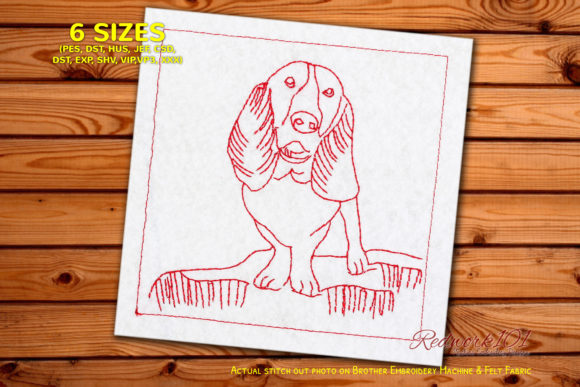
When I first opened the file for Adorable Basset Hound Puppy, my immediate thought was not about stitch counts or file formats, but about the character. In the world of machine embroidery, a design needs to do more than just fill space; it needs to evoke a feeling. This piece does exactly that. It captures the soulful, droopy-eyed charm of the breed without getting lost in overly complex details that might get lost on a small garment. As someone who has spent years reviewing digital assets for clients and personal shops, I look for designs that balance visual appeal with technical feasibility. This one feels like a winner for anyone looking to add a touch of warmth to their craft business.
First Impressions and Visual Personality
The layout of this embroidery design is clean and focused. The artist has clearly understood the anatomy of the basset hound well enough to capture its essence without over-stitching. The mood is undeniably cozy and inviting. It screams "comfort," which makes it an ideal candidate for home decor items or soft baby products. The description mentions an optional box stitch, which is a smart inclusion. For those of us running a craft business, having options allows us to tailor the density based on the fabric we are working with. If you are stitching on a thick fleece sweatshirt, you might want that extra texture. If you are working on a delicate tea towel, you can skip it to keep the fabric drape natural.
The color palette implied by the design suggests high contrast potential. Basset hounds often have distinct markings, and this file seems designed to highlight those features using standard thread colors. When I imagine this stitched out, the eyes are likely the focal point, drawing the viewer in immediately. That kind of emotional connection is crucial for Etsy sellers and boutique owners who rely on product photos to drive sales. A design that looks good in a mockup but fails in real life can damage a brand's reputation. This one, however, appears robust enough to hold up under scrutiny.
Real-World Application: The Tote Bag Scenario
To truly evaluate this asset, let's imagine a practical scenario. You are preparing inventory for a local holiday market. You have decided to create custom embroidered tote bags as a signature item for your shop. These bags need to be durable, visually striking, and suitable for a wide range of customers. You pull up Adorable Basset Hound Puppy to test on a canvas tote.
Placing the design on the front panel, the scale feels right. It is large enough to be seen from a distance but not so massive that it overwhelms the bag's structure. The stitch density looks appropriate for cotton canvas, providing enough coverage to hide the weave without making the fabric stiff. However, if you were to place this on a thin linen tote, you would need to be very careful with the stabilizer. The design includes areas that could potentially pucker if the underlying support isn't secure. This is where the experience of a seasoned designer comes into play: knowing when to use cut-away stabilizer versus tear-away, and ensuring the hoop size accommodates the design without distortion.
For a small business owner, the versatility here is key. The same file could easily transition from a tote bag to a baby onesie, a patch for a denim jacket, or even a decorative element on a kitchen apron. The "fun and easy to stitch" aspect mentioned in the description is vital for production efficiency. If a design takes three hours to run on a single item, it eats into profit margins. This design appears optimized for speed, allowing you to produce multiple units quickly while maintaining quality.
Navigating Technical Challenges and Fabric Choices
While this design shines in many applications, there are specific situations where caution is required. One common pitfall for designers is attempting to use detailed animal portraits on highly textured fabrics. If you try to embroider this on a heavy bouclé wool or a chunky knit sweater, the fine details of the puppy's face might get lost in the pile of the fabric. The stitch density needs to sit flush against the material to be effective. On such surfaces, the design might look muddy rather than crisp.
Another area to consider is stretchy fabrics. While this design is perfect for stable materials like cotton twill or denim, applying it to a stretchy jersey t-shirt requires a flexible stabilizer system. Without proper stabilization, the curves of the basset hound's ears could distort during the stitching process, leading to a warped final product. Similarly, dark fabrics present a challenge. If you are stitching light-colored threads onto a black shirt, you must ensure the background fill stitches are dense enough to prevent the dark fabric from showing through. If the design relies heavily on white fill stitches, a double layer of backing or a specific underlay technique might be necessary to achieve opacity.
For those interested in creating embroidered patches, this design is a strong contender. The outline and fill structure appear solid enough to withstand trimming and edge finishing. However, always test a sample on a scrap piece before committing to a full batch of patches. The edges of the design should be clean, and the corners should not be too sharp, which can lead to fraying over time.
Design Notes for Commercial Success
If you are planning to sell finished products featuring Adorable Basset Hound Puppy, or even the digital file itself, there are several steps you must take to ensure professionalism. First and foremost, verify the licensing terms provided with the download. Some files are strictly for personal use, while others allow commercial application. Selling a product made from a restricted license can lead to legal issues and account bans on platforms like Etsy or Amazon Handmade.
Before launching any collection, conduct a rigorous test run. Stitch the design on the actual fabric you intend to use. Check the thread color contrast under different lighting conditions. Sometimes a design looks perfect on a computer screen but suffers from low contrast once stitched in polyester thread. Also, inspect the small details closely. Are the eyes symmetrical? Is the nose defined? These small elements make the difference between a mass-produced look and a high-end handmade product.
Consider how the design will perform after washing. If the goal is a durable gift item, the stitches should be secure and the fabric should retain its shape. Using the correct hoop size and ensuring the fabric is properly hooped without stretching it out of alignment is essential. If the design shifts during stitching, the entire project is ruined. Always check whether the design works for both personal and commercial projects by reading the fine print included with the download.
Final Verdict on Visual Appeal and Value
In conclusion, Adorable Basset Hound Puppy stands out as a versatile and charming addition to any library of digital embroidery files. Its ability to convey personality through simple shapes and effective use of negative space makes it a valuable asset for creative entrepreneurs. Whether you are creating a personalized gift for a client or stocking a boutique with unique dog-themed apparel, this design offers a reliable foundation for success.
It fits naturally into categories ranging from holiday embroidery to everyday wearables. The inclusion of optional elements gives you the flexibility to adapt the design to various constraints. By paying attention to fabric selection, stabilizer usage, and proper testing, you can transform this digital asset into a tangible product that customers will love. For those seeking to elevate their handmade product line with something that resonates emotionally yet remains technically sound, this design is a strong recommendation. Just remember to review the specific file details regarding stitch count and compatibility before starting your next big project.